
Over the years, there has been some debate about whether Doctor Who is a children’s programme or whether it is a TV show for the whole family, that anyone of any age can enjoy free of judgment, like The Simpsons or Star Trek. Doctor Who is now a hugely popular, quintessentially British, iconic, multimedia, world-record breaking, longest-running science-fiction franchise loved around the world by millions of people (children and adults alike). Statistically, more adults than children watch Doctor Who today. Yet why do some still think that this beloved British institution is just for kids and that devotedly watching it past the age of 15 when you are not a parent yourself yet is either childish, immature, sad, tragic, cringeworthy, weird, freaky, uncool or nerdy.
When Doctor Who began in the 1960s, it was originally produced by the children’s department of the BBC. But like most science-fiction, the show has always dealt with many adult political and social themes over the decades, including racism; sexism, homophobia, xenophobia, ableism, patriarchy, class, snobbery, entitlement, inequality, wealth, privilege, capitalism, communism, quotes from the Communist Manifesto, Marxism, corporatism (including corporate exploitation of workers), corporation tax, corporations, imperialism, sociology, botany, surrealism, numeracy, barbarism, savagery, primitive civilisations, austerity, dwarfism, heightism, cosmetic surgery, drugs, drugs busts, drug smuggling, smoking, rejection, isolation, drilling, excavation, oil, judgments, gene splicing, amnesia, dementia, hostages, genetics, data analysis, scientology, literacy, academia, qualifications, jobs, sadism, infidelity, flirting, adultery, bigamy, friendship, companionship, partnership, marriage, divorce, bestiality, cannibalism (including infants being eaten), torture, interrogation, diplomacy, ambassadors, oppression, liberation, construction, demolition, fashion, modelling, intrusion, squatting, support groups, defence, learning, cooking, helplines, Wi-Fi, streaming, downloads, domestic violence, abuse, trauma, neglect, emotions, professionalism, sex, gender, chauvinism, toxic masculinity, mansplaining, patronising, introspection, outdated attitudes, gender stereotypes, feminism, equality, social justice, diversity, inclusivity, representation, discrimination, intolerance, dermatology, death, afterlife, utopias, housing, deafness, international relations, security, secession, separatism, sexual chemistry, cultural appropriation, arachnophobia, kidnap, murder, assault, battery, black markets, comedy, humour, satire, piracy, cyber-terrorism, hacking, cults, societies, industry, retirement, astrology, transport, cryptozoology, arson, cryptology, safe-breaking, explosives, metallurgy, invasion of privacy, zoology, farming, agriculture, archaeology, psychology, Luddites, technophobia, technology, space travel, science, paradoxes, biology, physics, gravity, chemistry, literature, language, magic, black magic, witchcraft, entertainment, enterprise, engineering, entrepreneurship, business, retail, hospitality, sport, music, art, news, weather, seasons, obesity, objectification, misogyny, societal division, entomology, pest control, alliances, palaeontology, nepotism, invisibility, teleportation, malicious communications, traffic control and congestion, apocalypses, landlords, renting, wills and estates, legacies, adoption, sibling rivalry, pandemics, plagues, viruses, quarantines, medicine, personal safety, selfishness, favouritism, celebrity status, gossip, asexuality, conscription, poverty, unemployment, refugees, displacement, voting, telepathy, mental health, Buddhism, Hinduism, meditation, mindfulness, hypnotism, assisted suicide, commercial imperialism and exploitation, ignorance, education, bigotry, prejudice, ethnic cleansing, greed, entropy, horror pastiches, citizenship, debt, intellectual property, activism, anarchy, resurrection, God, creationism, blackmail, paralysis, gun culture, deportation, freedom, empathy, emotional support, affirmative action, positive discrimination, quotas, forensics, infertility, episodes where the population of Earth is decimated and the human race is enslaved, pretentiousness, childcare, childcare costs, suffocation, stigmas, animated corpses, meteorology, social mobility, flattery, embolism, voice activation, trust funds, political elites, condescension, saviour complexes, aboriginal rights, self-indulgence, white privilege, virtue signalling, critical thinking, tribalism, helicopter parents, influencers, social media addiction, superficiality, vanity, narcissism, apprenticeships, food banks, Stockholm syndrome, economic recovery, pomposity, stigmatism, devolution, futurology, allergies, anaphylaxis, mineralogy, stigmatisation, puberty, minimum wage, sedition, thought rebellion, loopholes, necrophilia, unionism, harmony, passive aggression, euthanasia, eating disorders, dissent, coastal erosion, liberators becoming conquerors, allegories for Elon Musk 20 years before his fame, sedimentology, the notion of feeling in constant pain but without really caring about it, decryption, decoding, overmanning, gagging, hush money, indictments, impeachments, bailiffs, ransoms, euphemisms, fagging, spiking, Bolshevism, clamping, impounding, importation, de-merit goods, transvestism, political violence, miscarriages, hypocrisy, drinking blood, illusions, incarceration of terrorists, collusion, obstruction, creating a climate of fear in the mainstream media in order to keep the borders closed, subscriptions, meritocracy, prison reform, clemency, modernism, addictions, evictions, the effects of illegal drug use, mutiny, cartography, epilepsy, dyslexia, dyspraxia, the consequences of not paying for a TV license, prescriptions, grassroots, preemptive strikes, first strike policy, spaceology, astrology, social causes, codependency, profanity, obscenity, affirmative action, positive discrimination, heteronormativity, posture, remuneration, national emergencies, national security, excavation, state sponsorship of terrorism, territorial waters, metabolism, feudalism, feudal systems, consumerism, altercations, income inequality, deposition, deforestation, AI algorithms, blind faith, the military industrial complex, deposits, spontaneous combustion, car crashes and hit-and-run car accidents, media manipulation, political corruption and lobbying, corporate power, metaphors, arms trade, arms races, emasculation, post mortems, mortuaries, larders, gardening, pathology, fertility, adoption, product placement, blasphemy, oversharing, anxiety, state ownership, multiculturalism, military coups, catharsis, animal rights, reproduction, epidemics, smugness, religious bigotry, loitering, codependency, codependent relationships, littering, female agency, modesty, oppression of the working class, the idea that the ends justify the means, ransacking, searching, corrosion, premeditation, nests, hatcheries, hydroponics, reproductive cycles, defections, defectors, causality, cleavage, existential crises, phosphorescence, feasts, serenity, obscenities, diplomacy, treaties, conventions, pensions, rejuvenation, retirement, sterilisation, artificial insemination, soldiers killing children, romantic rebounds, insecticides, hyperspace, coup d’etats, safe spaces, sensitivity, brainwashing, discontinued products, the Welfare State, concussion, dignitaries, the true cost of war, government corruption and deceit, sacrifice, tyranny, people taking political power in order to enforce their own world view on people, equity, nudity, incorporeal beings, free markets, allegories for the Space Race, gory scenes, scythes, dissolution of monasteries, self-harm, betrayal (sometimes by the companion to the Doctor), symbiosis, spam, junk mail, deepfakes, impasses, stalemates, social mobility, infantilism, mirages, polemicists, interventions, capital punishment, death penalty, death, OCD, endangered species, accomplices, leprosy, symbolism, proof, negotiation, parallel universes, faster-than-light travel, flammability, ultimatums, trigger warnings, money laundering, rose tinted spectacles, nostalgia, neutral territory, lobotomies, imagination, deterrents, apothecaries, allusions to sexual violence, crudeness, being pardoned, refurbishment, liability, self sufficiency, litigation, equal rights, hijacking, bourgeoisie, racial purity, donations, loitering, restitution, loopholes, looting, asphyxiation, visitation rights, family values, photographic memories, foreshadowing, altercations, freedom of expression, business acumen, fakeness, fakery, plagiarism, Omnipotence, premonitions, pre-cognitive vision, controlling behaviours, regurgitation, nomadic travellers, warranty, plutocracy, Orwellian societies, decency, incorporation, training, female solidarity, banners, bankrolling, moral compass, deforestation, the paper industry, sentience, fundamentalism, elocution, freedom fighters, cancel culture, knives, artificial meat, vegetarianism, veganism, fossil fuels, renewable energy, matriarchy, geometry, navigation, being lost, conmen, defectors, conscientious objectors, pharmaceuticals, Optography, mortality, crusades, liberty, lying about parentage, DNA tests, lie detectors, alcohol, automation, teenage single parenting, smuggling, bonuses, pay schemes, second class citizens, trade unions, restrictions, rehabilitation, libertarianism, custody, eugenics, rigor mortis, decomposition, getting old, funerals, undertakers, cremation, the notion that corpses remain conscious after death, autopsies, amputations, claustrophobia, political correctness, dog whistles, linguistics, first strike policies, racial conflict, racial slurs, ostracism through fear, internment of enemy nation’s citizens during wartime, terrorist attacks, 9/11, the Iraq War and the fallacy of Weapons of Mass Destruction, fake news, concentration camps, nuclear non-proliferation treaties, nuclear weapons, the Cold War, misnomers, Grimm’s law of consonant shift, ancient civilisations, cubits, counterfeit money, forgery, quantitative easing, fiscal stimuli, fiscal policies and fiscal responsibilities, investments, government backing, financial schemes, financial crises, oligarchies, monopolies, alchemy, frugality, chivalry, vigilantes, satire, incriminating evidence, quarantines, diamond smuggling, common sense, zoos, poultry and battery hens, shoplifting, redundancy, stinginess, totalitarianism, dismissal, women’s reproductive rights, humour, Tourette’s syndrome, restrictions, altruism, homeopathy, replacement, arrogance, continental drift, bio programming, biodiversity, biodegradable materials, hydroelectricity, renewable energy, class systems, castes, ectopic pregnancies, immortality, progress, social conservatism, witch-hunts, conservation, schizophrenia, excommunication, ageism, institutional racism, coercion, alimony, accessibility, communal spaces, fear of heights, social media, dependency on technology, online bubbles, indoctrination, compensation, control freaks, probate law, private healthcare, allergies, cheating, law, standing up for others, perspiration, neuroticism, neurodiversity, forbidden weapons, sign language, deafness, colourblindness, condensation, central heating, turbines, renewable energy, relationship rebounds, Tachyons, swearing and bad language, obscenities, veterans, vivisections, teen angst, polarisation, violence against women, drug overdoses, visitation rights, interstitial time, probations, hearings, property development, prison reform, proportional representation, first past the post voting systems, private education, tokenism, structural unemployment, socialism, humble-bragging, displacement, abolition, prohibition, fare dodging, character assassinations, daddy issues, dismemberment, mutiny, misanthropy, baptism, homeownership, micromanagement, blindness, criticism, trench warfare, wars of attrition, toxic gases, nerve agents, chemical weapons, gun-running, sewage, recycling, foster care, prostitution, respiratory systems and infections, famines, droughts, floods, earthquakes, Biblical references, ideology, idealism, pronouns, liberalism, extreme Green movements, misguided liberals, abandonment, (male and female) pregnancy, theology, philosophy, sadistic reality TV shows, eating people alive, crushing people, human abattoirs, fetishes, fetishization, racial stereotypes, racial fetishization, autism, social anxiety, social interaction, social intelligence (or lack thereof), artificial insemination, bank heists, recessions, economic depressions, nationalism, ethno-nationalism, white supremacy, foreigners, foreign identity, dystopian societies, biomechanics, evolution, atheism, faith, beliefs, superstitions, lifestyles, crucifixions, religious imagery, graphology, legal representation, loss of human rights, culture, personality, empowerment, micro-aggressions, anti-Semitism, loneliness, infrastructure, conflating terrorist cells with whole religions (tarring them all with the same brush), demolitions, planetary demolitions, cloning, ventriloquism, services, fascist states where parallel friends of the Doctor are essentially Nazis, cults, elocution, rhetoric, superstitions, ergonomics, incineration, the Doctor being in agony or being tortured, affairs, beheadings, decapitation, animal equality, iambic pentameters, superficiality, probate law, public executions and torture on live television for the entertainment of others, horror, catchment areas, reconnecting with one’s own childhood, punctuality, texting, Ghosting, mind games, dating, kissing, voodoo, manifestation, manipulation, codependency, cohabitation, free speech, the fact that there is a fine line between free speech and hate speech, identity fraud, code breaking, religious oligarchy, police states, DVD Easter eggs, hauntings, seances, paradigms, reconciliation, Robophobia, personality disintegration, mediation, environmental issues, ecosystems, habitats, homeownership, real estate, reconnaissance, shell-shock, neuralgia, industrialisation, innovation, sociology, Civil Partnerships, gay marriage, mechanisation, defacing, demonstrations, fasting, trespass, amnesties, conquests, war crimes including the sinking of the General Belgrano during the Falklands War, self-defence, space missions, allegories for the Apollo Moon missions including Apollo 11 and Apollo 13, anti-war sentiment, kleptomania, political asylum, extradition, empathy, fault lines, capturing terrorists’ families, allegories for AIDS, metallurgy, dreams, hatred, exclusion zones, WWI, WWII, dependence on technology, human obsession with upgrading to the latest technology, scalpers, addictions, resources, the chokehold that oil corporations have over society, mining companies, whitewashing and rewriting history, mineralogy, nuclear disarmament, UN security council resolutions, computers, logic, recognition of a state or political entity, blindness, taboos, races, betting, gambling, mortgages, loans, smoking, cancer, brain chipping, controversial historical figures like Hitler, expulsions, hair loss, laziness, targeted attacks, exposure, flashing, marital strife, the fur trade, emotional intelligence, fights to the death, duels, threats, death threats, immigration, border controls, price hikes, vaccines, nationalisation, privatisation, regulations, scandals, the fact that economic depressions can lead to a rise in nationalism, xenophobia and fascism in the long term (i.e. 1929-1939 and 2008-2018), Donald Trump, embroidery, emotional support, heartbreak, separation, barbed wire, lockdowns, humble-bragging, oriental themes, abdication, tropes, dehydration, dehumanisation, imagery, nihilism, widows, abduction, fabrication, embellishment, astronomy, dieting, weight loss, insecurity, self-esteem, confidence, library referencing systems, identity crises, no fly zones, paranoia, political debates, political summits, databases, suspensions, investigations, probations, bureaucracy, people watching the only person they have ever loved fall in love with someone else, poaching, activists, anarchists, schisms, rationality, paternity, maternity, maturity, mass suicides, controversies, existentialism, sexuality, microcosms, social bubbles, microbiology, constitutional conventions, formalities, suicide, Knighthoods and other awards, hereditary systems of leadership, human corruptibility, 3rd-wheeling, friend-zones, dating, the Devil, Devil worship, submission, snipers, guns, warfare, killing people in front of their children, pain, suffering, Scottish independence, Greek mythology, unwanted sexual advances, deferred bereavement, parenting, single parenting, parenthood, dying of old age, corrosion, erosion, battery farms, identity, time loops, destiny traps and the consequences of changing history, causality, morality, ethics, allegories for Israel vs Palestine, two-state solutions, peace, peaceful coexistence, cyborgs, equal rights, negotiation, arbitration, unrequited love, stalking, harassment, military coups, possession, redemption, self-care, healing, rehabilitation, allegories for the BBC itself, Artificial Intelligence, P45s, profit, economics, executions, firing squads, public hangings, brain surgery, brain transplants, surveillance, stereotypes, kindness, romance, incest, foreign aid, secrets, bias, cryptocurrency, small businesses, allegories for ISIS, amniotic fluid, amino acids, procreation, proliferation, precipitation, geostorms, weather control, control freaks, drama queens, hurt, hurting others, digestion, indigestion, contractions, labour, contagions, diseases, gatecrashing, parties, apostles, disciples, incentives, bonds, gun-running, arms deals, assassinations, associations, amendments, drowning, master races, druidism, territories, hunting grounds, pessimism, legacy, council estates, tower blocks, collateral damage, guilt, shame, holograms, avatars, mind control, elitism, axes, allegories for Nazi Germany, decapitation, snapping necks, dispute resolution, powerful businessmen, religious deities, sacrificial themes including druidic sacrifices, massacres, slaughters, battles, sieges, jealousy, envy, rivalry, revenge, anger, rape culture, folklore, time travel, quarks, dark matter, anti-matter, black holes, quantum mechanics, Islamophobia, transphobia, disability, Thatcherism, media misinformation, media disinformation, hoaxes, conferences, confessions, conspiracies, consent, protectionism, intellectualism, protesting, therapy, rehabilitation, infrastructure, extermination, extinction, climate, ozone, plate tectonics, geology, volcanology, geography, bribery, fraud, deception, libel, theft, robbery, stealing, extortion, crime, judicial systems and judicial corruption, suspensions, exiles, court trials, prison, gangs, anti-social behaviour, police brutality and law enforcement, military aggression, military intervention, officer rank, constitutional rights, proclamations, prosecution, procedures, invasions, bullying, rudeness, genetic experimentation (on living creatures), slavery, animal cruelty (by having anthropomorphic characters), (miners’) strikes, spin, corruption, deceit, deception, democracy, monarchy, government, parliamentary systems, elections, referendums, Brexit, Euroscepticism, terrorism, patriotism, radicalisation, migration, integration, propaganda, conspiracy theories, colonialism, segregation and apartheid, partitions, nativism, individualism, pacifism, abortion, healthcare, homelessness, revolution, tax, religion, depression, grief, loss, mourning (note: in 2023, Heaven Sent – an episode all about grief, loss and mourning was voted by adult readers of Doctor Who Magazine as the most popular Doctor Who story ever made), family, war, genocide, nuclear holocausts, responsibility to protect, humanitarian intervention, regime change, dictatorships, authoritarianism, fascism (the Daleks were based on the Nazis), climate change and pollution. Themes such as these would be difficult for a child of 5 years old to spot and would therefore be more likely to be aimed at the parents and other adults watching. The fact that these dark and adult issues have been explored in Doctor Who since its conception in 1963 offers further proof that right from the outset it was a programme for the whole family that anyone of any age could enjoy. Doctor Who has always been political. Doctor Who has a level of moral complexity and intellectual engagement unseen in most other TV shows and the depth of its social commentary proves this.
There is a lot of further evidence that Doctor Who began as a family educational TV programme. The very fact that the title protagonist, the Doctor, consistently embodied a privileged, intellectual professor continued to enforce this in the show’s early years. In the William Hartnell era, the show committed to educating children about famous historical figures and events in stories that are now referred to within the Doctor Who fandom colloquially as ‘pure historicals’. These celebrated serials featured no extraterrestrial threats and were as historically accurate as possible to provide as much authenticity for the families watching. Well-known historical figures and many other cultural and historical references are still featured in Doctor Who today. This further highlights the programme’s continued educational and intellectual appeal to the whole family. Doctor Who has almost unrivalled educational value by comparison to most other television shows.
At its peak, the show in the 1970s was watched by over 17 million people. Were they all just children? And with Doctor Who‘s global audience (gained since America finally began watching the show in earnest during the Matt Smith era) today numbering in the tens of millions, we are also forced to ask whether those viewers are all just children too? The obvious answer to both these questions is no. The series has huge international influence and relevance. It is important to note that since 2005, Doctor Who has been made by the BBC Wales drama department. The series is no longer made by the children’s department of the BBC like it was back in the 1960s. Doctor Who is also normally shown in a primetime slot on Saturday nights on BBC1 and not on the CBBC channel or CBeebies like most BBC-produced children’s TV programmes today. Modern Doctor Who in particular is an unfolding primetime family drama series with lots of complex character development and character arcs, theatrical storytelling, emotional moments and season-spanning plotlines, like any other drama series for adults. Doctor Who is regularly trailed alongside many other flagship BBC dramas on TV.
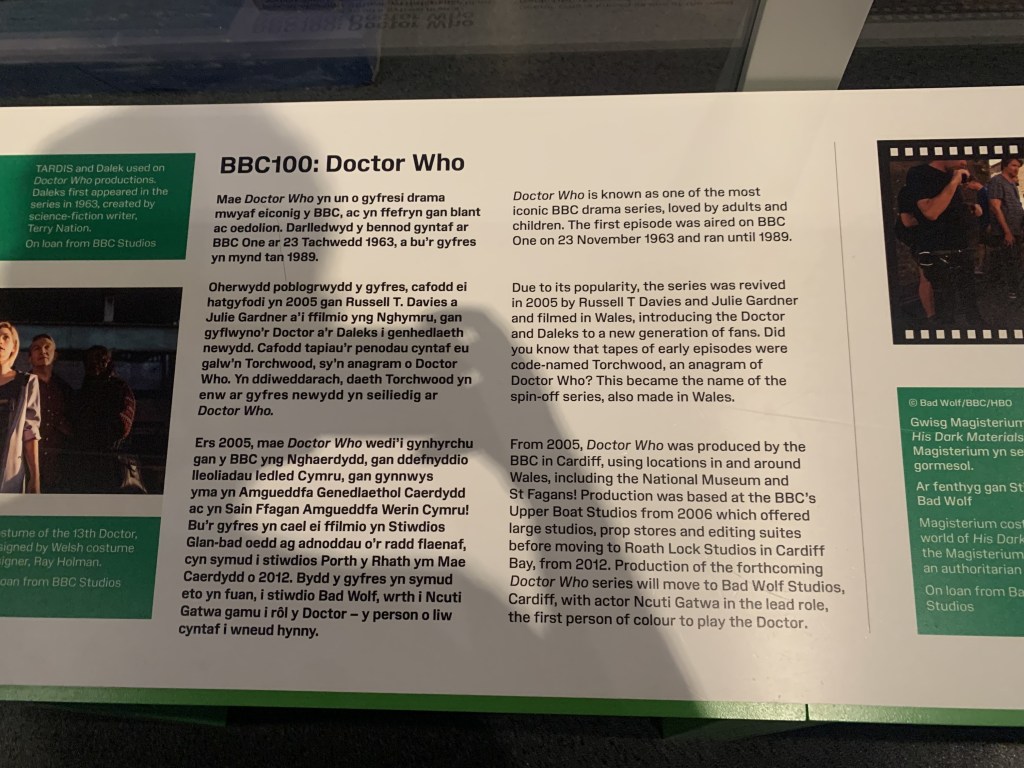
There is also a general assumption amongst some people that a Doctor Who fan’s favourite Doctor is always the one that they grew up with as a kid. The Doctors of my childhood were Christopher Eccleston and David Tennant, the latter of which remains my favourite Doctor. However, I have met many adult Doctor Who fans over the years for whom their favourite Doctor or companion is not the one that they grew up with as a child, but is instead one that they watched for the first time in adulthood. So your favourite Doctor does not necessarily have to be the one that you watched as a kid because you may have more of a personal connection with a later Doctor or era of the show. Conversely, a person that grew up with the new series of Doctor Who may go back and find that they prefer the Classic Series of Doctor Who from before they were born. In many ways, Classic Doctor Who is better than Modern Doctor Who, and people need to be less put off by some of the low production values, pacing and dodgy special effects of the old series because that was all part of its charm and gentle nature. The Classic Series of Doctor Who was also generally more suitable for children than the New Series is. The Modern Series of Doctor Who has become increasingly aimed at adults. Mary Whitehouse would be turning in her grave if she saw some of the horror scenes in Modern Who, i.e. the notion that corpses remain conscious after death (Dark Water) and I am certain that she would have taken issue with Adolf Hitler appearing in Doctor Who too (Let’s Kill Hitler). Ultimately, Mary Whitehouse failed in her campaign to clean up television back in the 1960s and 70s because television today is very decadent and so much of modern Doctor Who is completely unsuitable for children. Mary Whitehouse’s criticism of Doctor Who was based on the fact that, in her opinion, it was a children’s programme, which is it not! Doctor Who is a family show! However, Mary Whitehouse was right about the fact that Doctor Who in the 1970s was too violent for children (i.e. The Deadly Assassin and The Talons of Weng-Chiang) and this is an issue that has continued to crop up in modern Doctor Who as well.
The fact that Doctor Who can go on to have a greater influence in a person’s adulthood than in their childhood (i.e. with regard to their favourite Doctor changing etc) provides further proof that Doctor Who is not just for kids and that it is for adults as well. Doctor Who is something that people can discover or enjoy for the first time in adulthood, rather than (more commonly) being introduced to it as a child by their parents (which was the case with me). Some fans might find that they enjoy a particular Doctor Who episode more as an adult than they did as a child because they can appreciate the nuances, subtleties, emotional weight and other adult elements that were originally written into it. Many adult fans have based a lot of their real-life relationships and friendships on their experiences of watching Doctor Who. Whether it be the loss of a beloved companion or the end of a close relationship between the Doctor and one of his companions, Doctor Who has explored romantic, family and platonic relationships in Doctor Who in many mature and deeply moving ways. Years ago, Tumblr was used by fangirls to ‘ship’ the many romantic relationships between various characters (or mourn their heartbreaking losses) in Doctor Who and various other fantasy and sci-fi franchises, like Merlin, Harry Potter, Sherlock, Supernatural, Teen Wolf etc.
It is also important to note that David Tennant has returned to the role for the 60th Anniversary of the show, but this time playing a new incarnation – the Fourteenth Doctor. Given that it has been over 15 years since Tennant originally played the Tenth Doctor (2005-2010), the majority of the kids that grew up watching his Doctor at the time (including myself) are now all adults. Bringing back Tennant, who is widely regarded as the most popular Doctor, will obviously regenerate a lot of interest in Doctor Who that may have waned in recent years. It will draw in a lot of interest from those adult fans that grew up with Tennant’s Doctor when they were kids (who therefore probably regard him as the best Doctor). This move by returning showrunner Russell T Davies (who has explicitly stated that “Doctor Who is not for children”) further proves that Doctor Who today is no longer just for kids, as certain elements of the show play on nostalgia (in this case, millennial nostalgia) for eras of the series that occurred many years ago, before all the kids watching today were even born. As previously mentioned, Tennant first played the role 18 years ago (note: this blog post was updated in 2023). Anyone born in 2005 would now be a teenager on the brink of adulthood. It is therefore not the case that the majority of people jumping up and down with excitement at Tennant’s return are 5-year old kids.
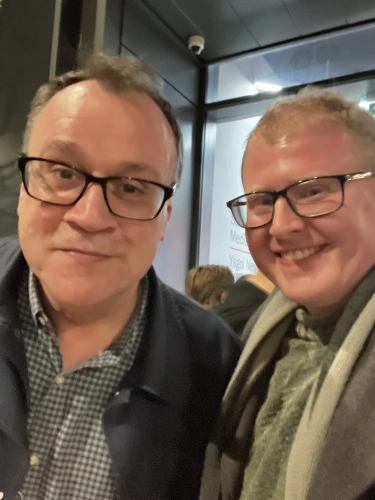
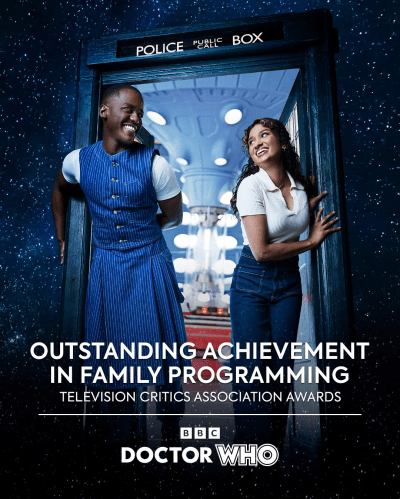
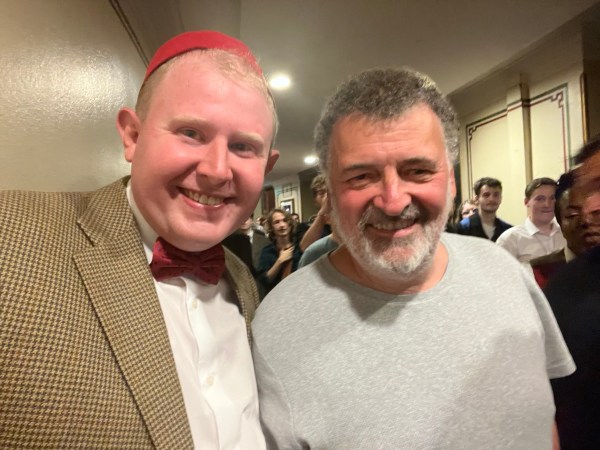
Doctor Who is not something that most people are supposed to grow out of when they become a teenager. Inevitably, adult life takes over: university, jobs, accommodation, drink, sex, relationships and other interests take priority. But because Doctor Who is still on television, your interest in the show can be revitalised at any stage in your life, particularly through the use of the conventions and filming locations. All of the big franchises today (Star Wars, Marvel, Lego, Harry Potter, The Lord of the Rings and Doctor Who) that were traditionally seen as just being for children are now all for adults as well. The majority of their merchandise is now aimed at adults. The stars of Doctor Who regularly make appearances alongside other A-list celebrities on mainstream chat shows, at red carpet premieres (of Doctor Who or otherwise) and at packed Comic Cons. Incidentally, some of the Doctor Who stars have used the show’s huge global platform to their advantage. Doctor Who was actors Karen Gillan and Matt Smith’s passport to a career in Hollywood, and it looks as though Millie Gibson is set to follow this path too. The fact that being in Doctor Who can now lead to a movie career in Hollywood and turn former Doctors and companions into global stars further proves that the series is not just for kids and that it has universal appeal. The stars of Doctor Who are regularly photographed by the paparazzi and receive a lot of attention from the press. Major Doctor Who casting announcements etc regularly appear on the front page of newspapers and almost at the top of TV news bulletins. Furthermore, some of the Doctor Who stars (i.e. David Tennant) have inspired ordinary people to become actors. Comic Cons and other conventions are full of adult Doctor Who fans cosplaying (dressing up) as their favourite Doctors and companions. Comic Cons and other conventions are a great way to meet like-minded friends and other halves, proving once and for all that our differences do not drive us apart, they bring us together. Furthermore, some of the Doctors and companion actors charge high prices at Comic Con for fans to meet them (i.e. one studio photo with Matt Smith costs £100), which is outside the budget of most children. Immersive walkthroughs, escape rooms, experiences, concerts, stage plays and exhibitions all based on the subject of Doctor Who are available to attend, as are cinema screenings of new and old episodes. The BBC also runs Doctor Who-related competitions that only adults are eligible to enter. There are many university Doctor Who and science-fiction societies full of adult students watching the show. And many adult and teenage fans use online forums to discuss Doctor Who. All of this adds to the uniquely interactive and participatory fan experience that most Doctor Who fans have.
Tonnes of Doctor Who merchandise and home media is available to fans of all ages, including books; graphic novels, magazines, artwork, video games, (Eaglemoss, Character Options and B&M exclusive) collector figures (often mistaken as toys, even though they are not for playing with and furthermore, many of them sell out within hours online, leading to the creation of black markets and scalping of the items on eBay etc), props, Target Novelisations, calendars, trading cards, costumes, clothes, tattoos (which are only available to adults), vinyl records, VHSs, DVDs, Blu Rays, 4K Ultra HD Steelbooks, digital streaming, Big Finish audio dramas (some of which are exclusively recorded for adults), multi-platform Doctor Who stories, kitchen utensils, mugs, teapots and other Doctor Who memorabilia. All of this further highlights the all-age audience of the show. Incidentally, Doctor Who also charts the history of home media ownership. In the 1960s, at the height of Dalekmania, the Daleks (the most iconic and the most famous monster in Doctor Who) became so popular that they entered the iconography of the UK and consequently, Daleks could be found in toy shops and sci-fi collector shops all over the country.
Returning showrunner Russell T Davies capitalised on all of this during his stint overseeing my childhood era of Doctor Who, when he also created and ran two successful Doctor Who spin-offs: Torchwood (for adults) and The Sarah Jane Adventures (for kids), further highlighting Doctor Who‘s appeal to the whole family, parents and their children alike. Although, both Torchwood and The Sarah Jane Adventures had things in them for teenagers. Given the complex narrative arcs and storylines aimed at adults throughout the new series of Doctor Who, it is likely that Russell will continue this world-building through further spin-offs and other media (in a manner similar to Marvel and Star Wars) when he returns to run Doctor Who again in 2023. With a bigger fictional universe and a deeper mythology than both Star Wars and Marvel, the possibilities for Doctor Who as a global cinematic franchise with multiple spin-offs (starring various returning characters) are endless.
Similar lucrative franchises like Disney, Harry Potter, Star Wars and Marvel (the latter two occupy a key space on the Disney+ streaming service, which contains a lot of exclusively adult content) are as much for children as Doctor Who is and yet there is much more tolerance out there towards an adult that is obsessed with these four than there is towards some adult Whovians who don’t feel the need to hide their passion for the series. This also applies to the James Bond franchise, given that the Bond movies are definitely not suitable for children, and yet lots of people grew up watching them as children to such an extent that some people even view being obsessed with Bond into adulthood as being childish.
Doctor Who is fundamentally a science-fiction show, but its premise is so broad that it allows the series to regularly cross into other genres. Some people point to the fairy tale or fantasy quality of some of the writing in Doctor Who as proof that the show is just for children. But fantasy is now such a broad and popular genre that lots of the biggest fantasy franchises in the world, such as The Lord of the Rings, Once Upon a Time, Supernatural, Twilight and particularly Game of Thrones, are now more aimed at adults than at children. Comedy is also a key part of Doctor Who‘s appeal and sometimes the series taps into adult humour.
Doctor Who has occasionally been criticised for its suitability for children over the decades, as some of the monsters and situations that the Doctor and his companions have encountered over the years during their travels through time and space have not always been child-friendly, i.e. because they were too scary for kids. The aptly named The Empty Child from Series 1 being one example or the drowning scene in The Deadly Assassin providing another. There are also some episodes where the main character, the Doctor either dies onscreen or he does something dark or genocidal – something that would be completely unacceptable in any children’s programme, which further proves that Doctor Who is not one. The very fact that all of these scary and psychological monsters and situations have been shown in Doctor Who proves that the series is not just for children as the show is clearly also being aimed at teenagers and adults through its mature content, i.e. the suspense and horror elements. Horror is one of many genres that are used in an innovative way by the series. Some people argue that Doctor Who is not suitable for adults even! Some of the monsters, complex villains & antagonists (many of whom have redemption storylines) and situations featured in the show have been too scary for myself and other adults to watch! Doctor Who has an almost unparalleled level of psychological depth that makes the series too sophisticated to merely be for children. And Doctor Who regularly reduces many adult fans to tears through its emotional resonance and tear-jerking moments. Doctor Who has had a long history of successfully making children hide behind the sofa (where they belong). But the series has also provided many people with some of their fondest childhood memories. Doctor Who has therefore attracted lots of famous writers, directors and actors to work on it over the decades (many of whom have also worked on various globally popular adult tv shows and films), all of whom had a fondness for the series they grew up with and inspired them when they were children. Many celebrities all over the world have expressed their love of Doctor Who over the years. Doctor Who has an extraordinary legacy and the show has a significant influence on popular culture.
Some of the critics of Doctor Who over the years, such as Mary Whitehouse or Michael Grade, based their criticism of Doctor Who on the pretext that, in their opinion, it was a programme for children. But this is something that is open to interpretation, rather than being an objective fact. Various producers of Doctor Who in the past, including Philip Hinchcliffe, have explicitly stated that it is a show for the whole family and that it was made with that intention, e.g. the hammer horror elements of the Hinchcliffe/Holmes era being included to appeal to older kids, teenagers and adults.
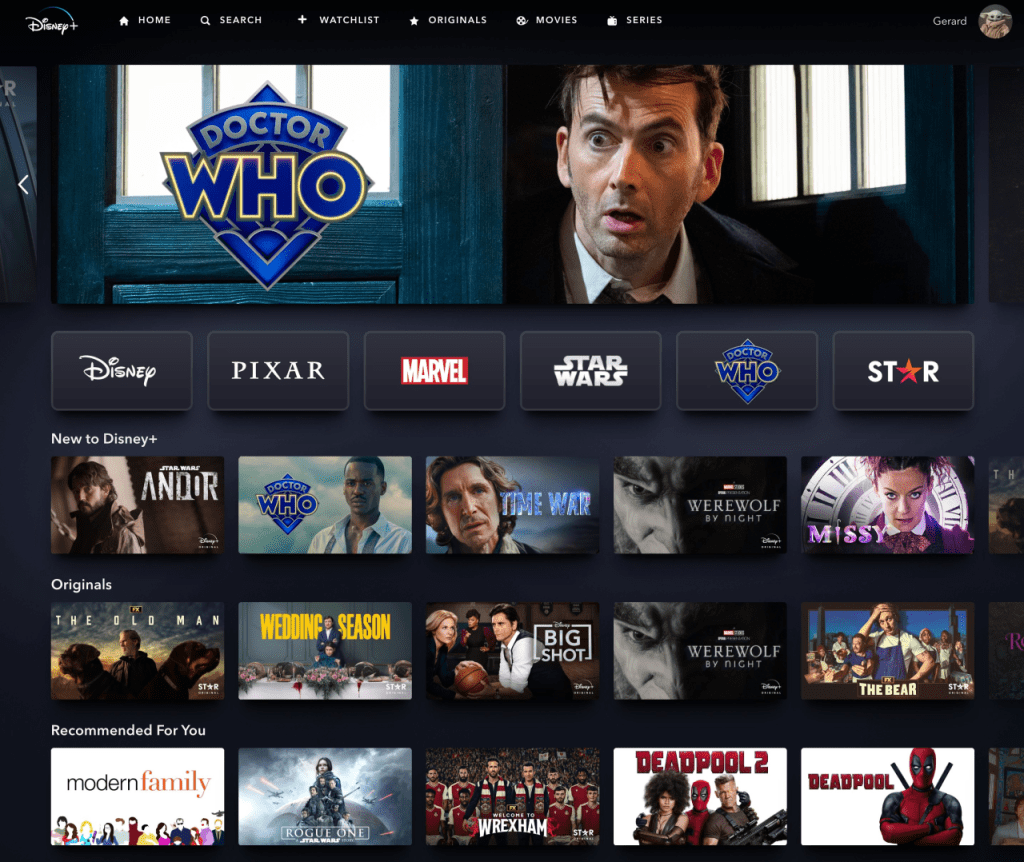
The next series of Doctor Who (which will be produced by Bad Wolf) will reportedly have an increased budget of £10 million per episode. This will bring the show into line with other massively popular, cinematic global TV dramas like Stranger Things, The Last of Us, The Mandalorian and The House of the Dragon etc and will therefore make Doctor Who look even more filmic. This is thanks to the new streaming deal with Disney+, which, as previously mentioned, contains a lot of exclusive adult content and also has high production standards that need to be met. Therefore, we are forced to consider whether such a large amount of money would ever be spent on a pre-school series like the Tweenies, Andy Pandy or the Teletubbies. The obvious answer to this is no. And so this further proves that Doctor Who today is not just for children and that it is for adults (and that means not just parents) as well. The quality of Doctor Who‘s production today is so high that it is incomparable with any children’s shows made today. The whole history of Doctor Who will soon be available to stream on BBC iPlayer in the UK and on Disney+ in the rest of the world, which will open the series up to a global audience. The new Season 1 of Doctor Who will be released weekly at midnight on BBC iPlayer – a post watershed, post bedtime time slot, by which time most kids will have gone to bed. This will help to engage a more global audience. A similar idea was used when Series 6 and 7 of Modern Who (starring Matt Smith, Karen Gillan and Arthur Darvill) were both split in two and shown at different times of the year. This was a successful attempt to appeal to the American TV market, where many seasons are split in half and shown at different times of the year. Furthermore, during the Matt Smith era, Doctor Who made a successful appeal to the American TV market by casting American actors in the show and also filming Doctor Who in America (The Impossible Astronaut/Day of the Moon, The Angels Take Manhattan). The show also featured multiple Eleventh Doctor episodes set in the USA (The Impossible Astronaut/Day of the Moon, A Town Called Mercy (which was filmed in Spain) and The Angels Take Manhattan) in addition to other America-set episodes: The Gunfighters (First Doctor), The TV Movie which was filmed in Canada (Eighth Doctor), Dalek (Ninth Doctor), Daleks in Manhattan/Evolution of the Daleks, Dreamland (Tenth Doctor) and Rosa which was filmed in South Africa (Thirteenth Doctor). Doctor Who has always had a strong following in America, but it was not until the Matt Smith era that the series entered the mainstream of popular culture there and started to appear at sci-fi and fantasy comic cons etc. Doctor Who’s modern scheduling proves that the show is not just for kids, as dropping episodes at midnight demonstrates that the series is becoming increasingly aimed at adults (some would argue exclusively at adults) to bring the show into line with other globally popular, high budget, 8-episode season Disney+ shows like The Mandalorian and Loki etc. Furthermore, publicity for Doctor Who today ranges from movie-sized billboards to trending on social media with hashtags and millions of retweets from fans of all ages all over the world.
This massive increase in cost is far in excess of the small budgets and low production values of Doctor Who’s humble origins back in the 1960s, as a Saturday teatime family programme. Doctor Who has clearly come a long way since its conception in 1963. However, the fact that Doctor Who was slightly cheap back in the day was part of its charm. Doctor Who therefore charts the history of TV special effects because the show was always willing to innovate and push boundaries in terms of what could technically be achieved. The huge upcoming increase in budget (thanks to the Disney+ streaming deal) will help to secure a wider, global audience of a diverse range of ages. There was a noticeable increase in the production values and the quality of Doctor Who‘s special effects when the series returned in 2005 and this helped to further the show’s popularity. Doctor Who has regularly won prestigious awards including BAFTAs, which are only open to TV dramas and not to children’s shows. The show has gained these awards for its actors, episodes, status, popularity and its production’s aesthetic and artistic qualities. One of the Doctors, Peter Capaldi, is an Academy Award winner. If Doctor Who was a children’s programme, it would be unable to secure an Oscar winner as its star. This further proves that Doctor Who is not a kids show.
Another important point to make is that Doctor Who constantly brings back characters and therefore actors who were in the series decades before the kids watching it were even born. This provides further evidence that parts of the show are aimed at the parents and other adults watching it, who may have fond childhood memories of their own of, for example, Sarah-Jane Smith and K-9. Doctor Who has a unique level of cross-generational appeal that most other TV shows don’t have because Doctor Who has been on television for so long.

Doctor Who is the ultimate conduit for creativity. Doctor Who fans uniquely respond to the show by creating their own versions of it through a variety of mediums. Some fans go to the set of the filming of Doctor Who, sometimes dressed in costume. Many adult Doctor Who fans make their own costumes, props, custom figures, episodes, fan fiction or have their own YouTube channel or blog dedicated to Doctor Who and their other interests. One can only view this as a positive thing. Unfortunately, some adults spend their time doing things that are either criminal or anti-social. The fact that Doctor Who can have such an alternatively positive impact on a person’s life highlights its importance to adults in the modern world and the crucial role that it plays in providing structure within their lives. The almost unparalleled level of fan culture and fanaticism that surrounds Doctor Who demonstrates that it is not a kids show, as the adult fans are responding to it on an unprecedented level. Generally speaking, I prefer to watch things that are for children! I am happier when I don’t watch things that are for adults.
Some would argue that the current era of the show is particularly aimed at children and that since Jodie Whittaker has won them over, she is clearly doing her job. Maybe it should be the opinion of children of Doctor Who‘s current era that matters most and not those of older fans, some of whom could not accept a female Doctor in the role. The casting of a female Doctor made a very strong statement about what kind of show that Doctor Who is. A female Doctor was the culmination of decades of positive representation for women within the history of Doctor Who, in particular, characters such as Susan, Barbara, Jo Grant, Sarah-Jane Smith, Leela, Romana, Tegan, Ace, Rose, Martha, Donna, Amy, River Song, Idris and of course, Missy. This positive representation helped to ensure that far more women and girls tuned into Doctor Who during the David Tennant and Matt Smith eras. Jodie Whittaker made history when she was cast as the first female Doctor, but she was standing on the shoulders of the many strong female companions, villains and other supporting characters that had appeared in Doctor Who before her. The same is true of the new Doctor Ncuti Gatwa who, as the first black male queer actor to play the role of the Doctor, is following in the footsteps of the many BAME and LGBT characters to have appeared in Doctor Who and its spin-offs over the decades. Doctor Who is also a pioneer for disability representation too. Doctor Who champions women of colour, black people, gay people, trans people, disabled people, women, BAME and LGBT people, marginalised groups and other minorities. And I love women, I love black people and I love gay people!
It had been established throughout the new series of Doctor Who that Time Lords can change gender during the process of regeneration, the unique key to the series’ longevity. This concept was developed even further by The Timeless Children storyline, which established that Time Lords can also change ethnicity during regeneration (by proving that the Doctor has done this before many times prior to William Hartnell’s First Doctor in the show’s canon). Ultimately, the show is fictional and people should get a grip before decrying any progressive change in a sci-fi TV series that is partly intended for children. This is most evident when some people throw around pejorative words like “woke” as a mask to hide their personal opposition to a particular progressive change or forward-thinking step in terms of representation in Doctor Who and the television and film industry generally. As soon as you start to make progressive changes to Doctor Who in terms of representation and casting, it can unfortunately expose the prejudices that some members of the fandom have. It is important that Doctor Who is providing positive, dynamic and diverse role models (for children and adults) in order to challenge the many prejudices that many people have in our society. In order to change people’s beliefs or political views then you have to challenge them and this precisely what Doctor Who is doing. At the end of the day, the one constant in Doctor Who is change and that is key to its longevity and adaptability. As a television series, Doctor Who has long been a pioneer for representation, inclusivity, diversity and equality. Today, Doctor Who continues to be the most progressive TV series ever made. Representation is at the core of what Doctor Who is, and this has become more noticeable since the series returned in 2005. For me and many other fans, the history of Doctor Who is one long philosophical tapestry and it is better to view it this way rather thancompartmentalising it into different eras or seasons etc. Doctor Who charts the history of our society and the many societal changes that have occurred over the decades because the show has always reflected the times and the society in which it was made. Doctor Who has always been political. Doctor Who is the answer to everything! Doctor Who and the BBC have got a left-wing, communist agenda and that’s a good thing! Doctor Who has always been liberal, progressive, diverse and inclusive. Meaningful change doesn’t happen overnight, it takes time to make progress. Sometimes you need popular, mainstream shows like Doctor Who to force meaningful change in society… and within Chris Olsen!
Doctor Who has consistently provided strong and diverse role models for children (boys and girls equally), teenagers and young adults alike, overtaking many other popular and long-running franchises in this particular respect. Watching Doctor Who therefore makes you into a better person. The Doctor himself is a peaceful person who uses his brains and wits to defeat his enemies and he abhors guns and other weapons. In Tooth and Claw, the Doctor says that books are the best weapons in the world and this is a good lesson for the audience. The Doctor himself is therefore a vital positive role model for children and adults. It is important to remember that Doctor Who has universal appeal and is therefore a show that is aimed at everyone, of any age and from all walks of life, anywhere in the world and from all political persuasions – although some argue that the more recent eras of the show are increasingly aimed at progressive liberals. It’s worth mentioning at this point that the show has personally made me into a liberal, which further proves that Doctor Who is a very politically powerful programme. Most of the producers of Doctor Who throughout its history have been atheist liberals and so am I! Doctor Who has always had a liberal agenda, but it’s only since Jodie was cast that it has become a lot more prominent. To be a liberal is to rebel! Doctor Who has changed my whole mindset, my whole philosophy. Doctor Who turned me into a communist! Doctor Who responded to (racist rapist) Donald Trump’s presidency (and Brexit) by introducing a female Doctor (Jodie Whittaker), a black female Doctor (Jo Martin) and now a black gay Doctor (Ncuti Gatwa). The fact that Doctor Who has had a female Doctor and also a black Doctor in the main role proves that the show is not just for children and nerdy teenage boys, but it certainly provides them with positive heroes too. The evolution of the show and the fact that the series is constantly changing but still fundamentally remaining the same further proves that Doctor Who is not just for kids. It is also important to note that some of the former Doctor Who companions such as Louise Jameson who played Leela and Karen Gillan who played Amy Pond were asked to wear skimpy clothing and short skirts etc in order to bring the dads back in to watch Doctor Who. This further proves that Doctor Who is not just for kids as the fact that certain companions have been objectified in the past in order to bring older male viewers back onboard is evidence of the parents’ and other male adults’ interest in the series.
Others have pointed to Doctor Who‘s symbiotic relationship with other programmes like Blue Peter and Children in Need as evidence that Doctor Who itself is just for kids. But given that many of those shows’ competition entries often had help from their parents, it goes to show that the whole family gathers round the TV in order to enjoy our beloved sci-fi series.
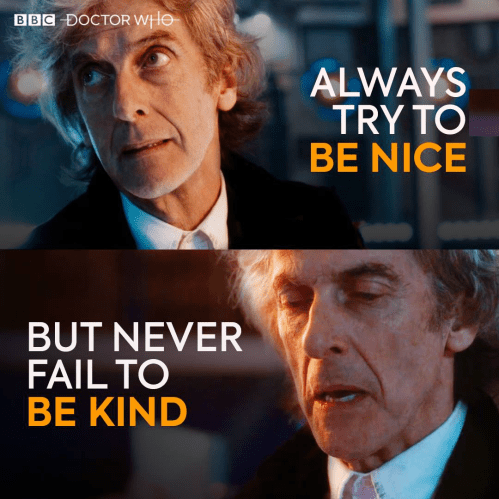
Most followers of my blog (and indeed, most people who know me well) are aware of my unrivalled obsession with Doctor Who and other similar franchises. Whilst I feel like my obsession with Doctor Who beyond childhood has always been harmless, I am forced to wonder whether my deep interest in the series into adulthood may have contributed to a lot of the extreme levels of bullying, rejection, cruelty, nastiness, mockery, rudeness and ridicule that I have personally experienced throughout my life (from the school playground to the conventions). Unfortunately, bullying and not being nice to others continues into adulthood. The fact that I am nice and kind is irrelevant to some people. I have had a very hard life. I was bullied all the way through school and university. I have been bullied by both men and women. Lots of people laughed at me or bullied me or they were mean or rude or nasty to me or they patronised my interest in Doctor Who or my own intelligence. I really wish I could forget all of the bullying and rudeness that I have experienced over the years (from both men and women). I just wish that some people hadn’t been so cruel and harsh and unkind to me as they had. I really wish that others could have been as kind to me as I am to them. It has been hard to cope with most people being cruel to me the whole time. No one in human history has been bullied, mocked or hurt as much as I have. But I am not a victim, I am a survivor! Whilst I feel that bullying and mockery is always wrong, it may have been smarter for me to have hidden my deep interest in the series over the years more (or at the very least, shared it more selectively rather than with everyone) to avoid ridicule, disrespect, cruelty, rudeness and nastiness from some of those around me on the basis that, in their opinion, Doctor Who is just for kids and that watching it past a certain age religiously looks either childish, sad or nerdy to them. People who think that Doctor Who is just for kids are stupid! Also some people just don’t like Doctor Who or science fiction generally and unfortunately, the most nasty ones could only express their intolerance of my love of Doctor Who through the form of bullying and cruelty. This is a shame because my love and passion for Doctor Who is a joy to behold and brings so much wonder and delight into the world. It may be the case that some horrible people were jealous of my passion for Doctor Who etc because most people aren’t passionate about anything. It is possible that in some situations, I may have overshared my high level of interest in Doctor Who with others. However, in those situations, the fault and the blame still lies entirely with the horrible perpetrators (the bullies) and not with their victims (i.e. me) for their inability to tolerate my level of interest in Doctor Who. It was therefore not okay that over the years, many awful people patronised or judged my interest in Doctor Who because they see it as a children’s programme (which to reiterate, is just their opinion and not a fact). I wish that I hadn’t encountered so many cruel and unkind people throughout my life in this godless, awful world. It’s good to walk away from toxic people especially when you know that they aren’t going to change their ways or their character. I have also been bullied and hurt by other Doctor Who ‘fans’ who failed to embrace the show’s core messages about kindness, tolerance and compassion. Unfortunately, not all Doctor Who fans are nice. Sadly, there are some idiots that go to the Doctor Who conventions. There may even be some cruel people from my past who will look at this website and feel genuinely guilty about bullying me and mistreating me. I have proved a lot of bullies wrong with this website! The real fear for me is how is a nasty or horrible person going to react to my website? Many years of therapy have helped to heal me however and alleviate the pain, trauma and hurt within me. In the end, kindness and hope always prevails over cruelty and evil even though I have witnessed the opposite many times throughout my life. It’s a shame that not everyone who watches Doctor Who religiously embraces its core messages of kindness and tolerance. If anyone ever had any doubts about whether I am a nice guy before, I really hope that those same people look at my blog and learn from my example.
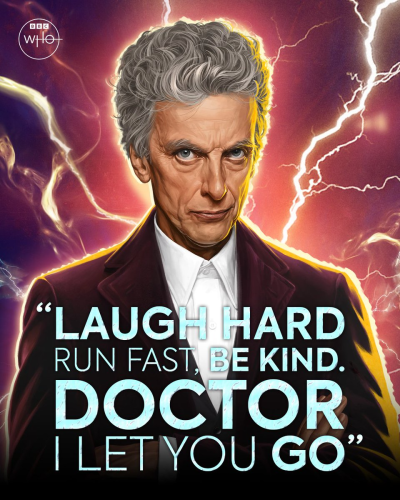
I am prepared to accept that sadly, some nasty people may have looked at my deep interest in Doctor Who etc and their intentions towards me would not have been benign, because some narrow-minded people still think that Doctor Who is just for 5-12 year-old children and that it is not for adults. But I still maintain that Doctor Who is not just for children and even if it were, that did not make it okay for anyone to bully me, laugh at me, insult me, shun me, ostracise me, disrespect me, hurt me and be nasty, mean, cruel, horrible and rude to me whatsoever anyway, because bullying is always wrong and there is absolutely no justification for it. It was also not okay for some cruel people to be two-faced to me or fake about it (i.e. pretend that they liked Doctor Who too and pretended to believe that it wasn’t just for kids or pretended that they tolerated my deep level of interest in Doctor Who but secretly only up to a certain point) and they were therefore untrustworthy because they would secretly laugh at me behind my back about it (i.e. they were not my friends). Don’t spend time with people who don’t like you or who are not your friend. If someone hurts you or is mean to you and they know they are being cruel to you and they are fake about it afterwards or they try to cover their tracks, don’t give them the time of day… just clear them out of your life. Anyone cruel or mean to you needs to be kicked out of your life for good. Especially if they only give you a half assed apology or a non apology apology for their behaviour towards you. Actions speak louder than words, so if they still continue to hurt you after saying sorry then that means that they aren’t genuinely sorry. Unfortunately, I have encountered lots of horrible and nasty people throughout my life. If someone doesn’t like you, then they don’t like you so don’t spend time with them and don’t try to do things to make them like you. Basically, some people couldn’t tolerate my level of obsession with Doctor Who because they aren’t nice and they couldn’t learn from my example. The fault is on them and not on me, because my interest in the series was completely innocuous. It is also perfectly plausible that most of the people who genuinely believe that Doctor Who today is just for children are either stupid, ignorant, reluctant to believe the evidence of their own eyes when they turn on the TV to watch Doctor Who today or just simply not true fans of the programme. However, I take pride in the fact that now I have taken my revenge on those awful people that tormented me over the years by having made Doctor Who my whole life here in Cardiff. I also created this website to show off my deep and passionate love for Doctor Who and to demonstrate my unrivalled knowledge of film and television. A lot of people who don’t like me are going to hate this website. Lead by example! It’s always better to be nice and kind! Never be self-deprecating, always praise yourself!

Unfortunately, no matter what I say and no matter how much evidence I can provide to the contrary, there will always be some people who simply see Doctor Who as a kids show (which it clearly isn’t) and that’s it. There’s no point in arguing with someone stupid, it’s just best to clear them out of your life. I am not on a crusade to convince or persuade everyone in the world that Doctor Who is not just for children. But just think for a moment about those many millions of adults around the world today who do enjoy Doctor Who. At the end of the day, if someone enjoys a tv programme, they enjoy it and that should be enough. Watching Doctor Who and their other interests can also be very therapeutic for an adult, especially if it takes them back to a happy and safe place like their childhood. If something like Doctor Who brings someone happiness then that’s all that matters. It doesn’t matter if you are 4 or you are 40, Doctor Who is for you. I therefore encourage people to be more open-minded and non-judgmental about the interests of others generally. If a person is different (because of their interests or other factors), then their differences should be celebrated, not chastised. There is no denying that some Doctor Who fans are a bit sad and have no lives or they are autistic and that is just how it is. There is a link between autism and people with a deep interest in Doctor Who, possibly because some autistic people relate to the alien and different main character of the Doctor. In the past, some unqualified people have tried to ‘diagnose’ my deep interest in Doctor Who by claiming that I have autism, which was not a professional opinion but was instead a subtle form of bullying. I have a nut allergy, I suffer from Asthma & eczema and I was diagnosed with ADHD as a child, but I am not autistic. Again this is a situation where such people are not your friends and they therefore do not belong in your life. If my enemies and haters really think that I’m a nice guy (which they don’t), then they should look at this website and learn from my example and try to emulate me as best they can!
Doctor Who is the best television series ever made. It is also one of the oldest and longest running TV shows in the world and for a reason! The show is pure escapism from the mundanity of ordinary life and that is part of its appeal. Doctor Who is no longer a niche thing, it is a legitimate interest to have. Doctor Who is now one of the biggest TV shows in the world. It’s mainstream! It’s not a cult like some people think it is. At the end of the day, it doesn’t matter what other people think of you. The only person you need to be happy with is yourself. You can’t put a price on happiness! You need to prioritise your happiness and do whatever makes you happy in the company of only those you like. You shouldn’t have anything to do with anyone that doesn’t have your best interests at heart. You shouldn’t hang out with or spend time with anyone who isn’t nice to you. If someone is horrible or mean and cruel to you, then you should have nothing to do with them and never see or hear from them again. Anyone that has hostile intentions towards you needs to be kicked out of your life forever. In truth, I don’t want to be friends with anyone who thinks that Doctor Who is a kids show, just to be on the safe side. If I don’t like someone or they weren’t nice to me then I don’t want them in my life. Let’s leave the judgment to the cynics and try to be more accepting, nice, kind, friendly, mature, erudite, polite, socially intelligent, respectful and tolerant to those whose interests may make them different. Let’s try to learn from the Doctor’s example. So, in conclusion, Doctor Who is not just for children and nerdy teenage boys. It’s for everyone.


 Chris Olsen's TARDIS
Pingback: Was Series 8 (2014) the most controversial season in Doctor Who’s history? | Christopher Olsen
Pingback: Which characters and monsters should return to Doctor Who? | Christopher Olsen
Pingback: A selection of the most enjoyable Doctor Who adventures of the 1960s | Christopher Olsen
Pingback: Doctor Who Missing 1960s Episodes Animation Schedule | Christopher Olsen
Pingback: The Hardcore Doctor Who Fan Starter Pack | Chris Olsen Reviews
Pingback: A selection of some of the most enjoyable Doctor Who adventures of the 1960s | Chris Olsen Reviews
Pingback: Doctor Who Missing 1960s Episodes Animation Schedule | Chris Olsen Reviews
Pingback: The Midnight Entity – Creepy Copycat | Chris Olsen's TARDIS
Pingback: Lux – The God of Light | Chris Olsen's TARDIS
Pingback: Lytton – Mercenary to the Daleks and the Cybermen | Chris Olsen's TARDIS
Pingback: Invisible Monsters! | Chris Olsen's TARDIS
Pingback: The Eternals – Dwellers in Time | Chris Olsen's TARDIS
Pingback: The Teselecta – A Robot manned by Tiny People | Chris Olsen's TARDIS
Pingback: Krynoids & Vervoids – Plant Monsters! | Chris Olsen's TARDIS
Pingback: The Sisterhood of Karn – The Keepers of the Flame | Chris Olsen's TARDIS
Pingback: Ashildr – The Immortal Viking Girl | Chris Olsen's TARDIS
Pingback: The Abzorbaloff – Tastes like Chicken! | Chris Olsen's TARDIS