Ever since it first burst onto our screens in 2010, Sherlock has become a worldwide phenomenon. Arguably one of the most successful television series of all time, Sherlock has won plaudits and BAFTAs for it’s superlative writing team and creators Steven Moffat and Mark Gatiss. Both lifelong fans of the original stories by Sir Arthur Conan Doyle, Moffat and Gatiss first confessed their mutual love of Sherlock Holmes on their regular train journeys to Cardiff, whilst the pair were involved in the production of Doctor Who. They dismissed the idea of a modern adaptation of Sherlock Holmes to be some other lucky writer’s future accolade. Little did these two geniuses know that they were about to make television history.
A Study in Pink
★★★★★
TX: 25/7/2010
Written by Steven Moffat Directed by Paul McGuigan
Based on the Original Story: A Study in Scarlet (1887)
The one that started it all… the first entry in John’s casebook blog. A Study and Pink remains my favourite episode of Sherlock for so many reasons. An impeccable debut for Benedict Cumberbatch, this story immediately demonstrated why the LAMDA graduate was set for international super-stardom. His acerbic wit and deductive intelligence, combined with his social awkwardness and unreachability, made women globally go weak at the knees for the world’s most famous consulting detective. It was here that Steven Moffat’s writing finally brought Sherlock Holmes into the 21st Century. However, some elements of the show remain unchanged from the original text. Watson was invalided out of Afghanistan in both the books and the show, highlighting the centuries-long British involvement in the Middle East.
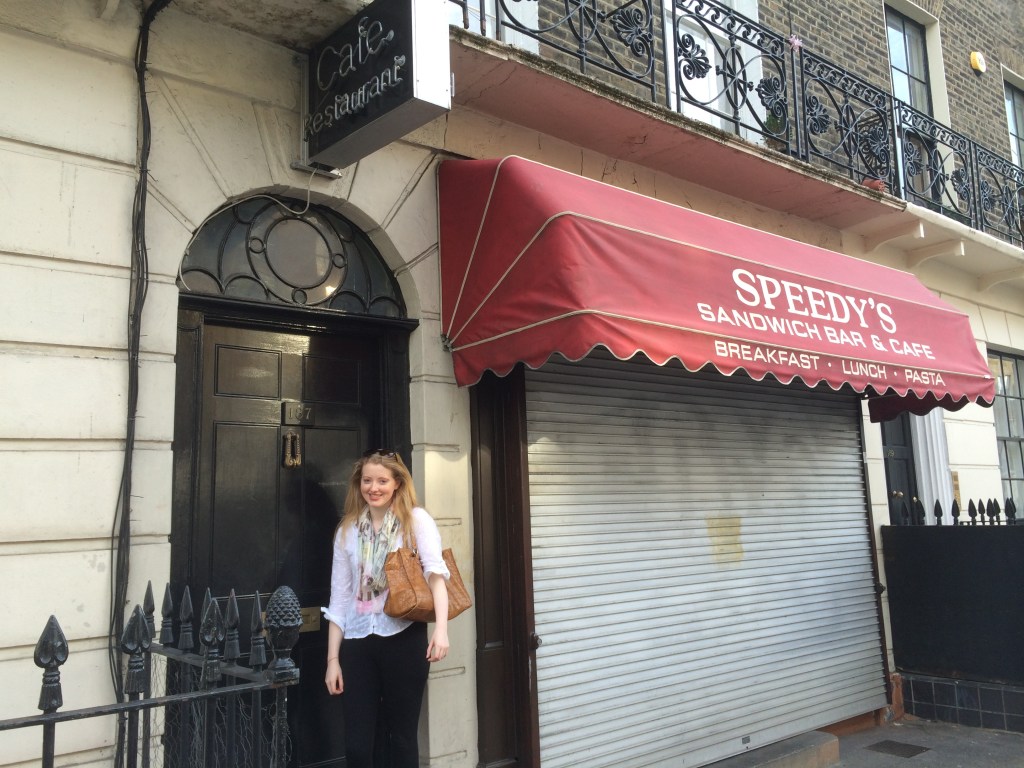
Moffat weaves an intricate plot surrounding a metropolitan spate of serial suicides. With help from his new flatmate and rising comrade John Watson, Holmes manages to track the killer down to a ‘sponsored’ London taxi driver. Although initially mistrustful of his rude and slightly autistic but intellectually brilliant companion, Watson ignores the advice of DI Lestrade, Anderson and Donovan and sees the good in the aloof detective. He moves into the world’s most famous address at 221B Baker Street, alongside their irritating landlady Mrs Hudson.
It hardly surprises me now when I see Benedict Cumberbatch-oriented merchandise in shops around the world. I have witnessed people receiving Sherlock snowglobes for Christmas and I once walked into another friend’s flat, only to discover printouts of Cumberbatch’s face blu-tacked to their every door and cupboard. This level of fanaticism is inherent in Sherlock fans worldwide and, after this exemplary first episode, rightly so. After all, I can’t judge, as I memorised every line in this feature-length episode while I was working in Ghana during the summer of 2011.
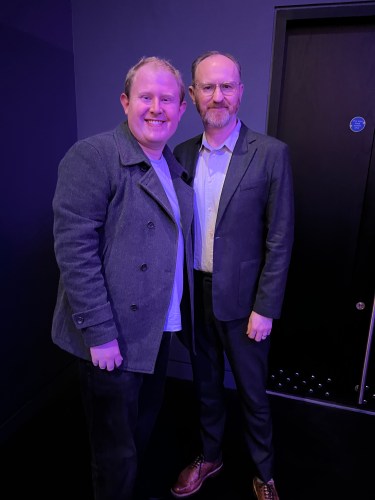
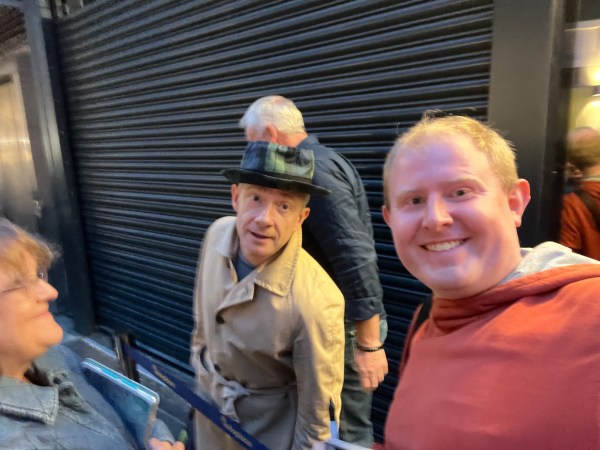
<INSERT PHOTO WITH BENEDICT CUMBERBATCH HERE>
The Blind Banker
★★★★★
TX: 1/8/2010
Written by Stephen Thompson Directed by Euros Lyn
Based on the Original Story: The Adventure of the Dancing Men (1903)
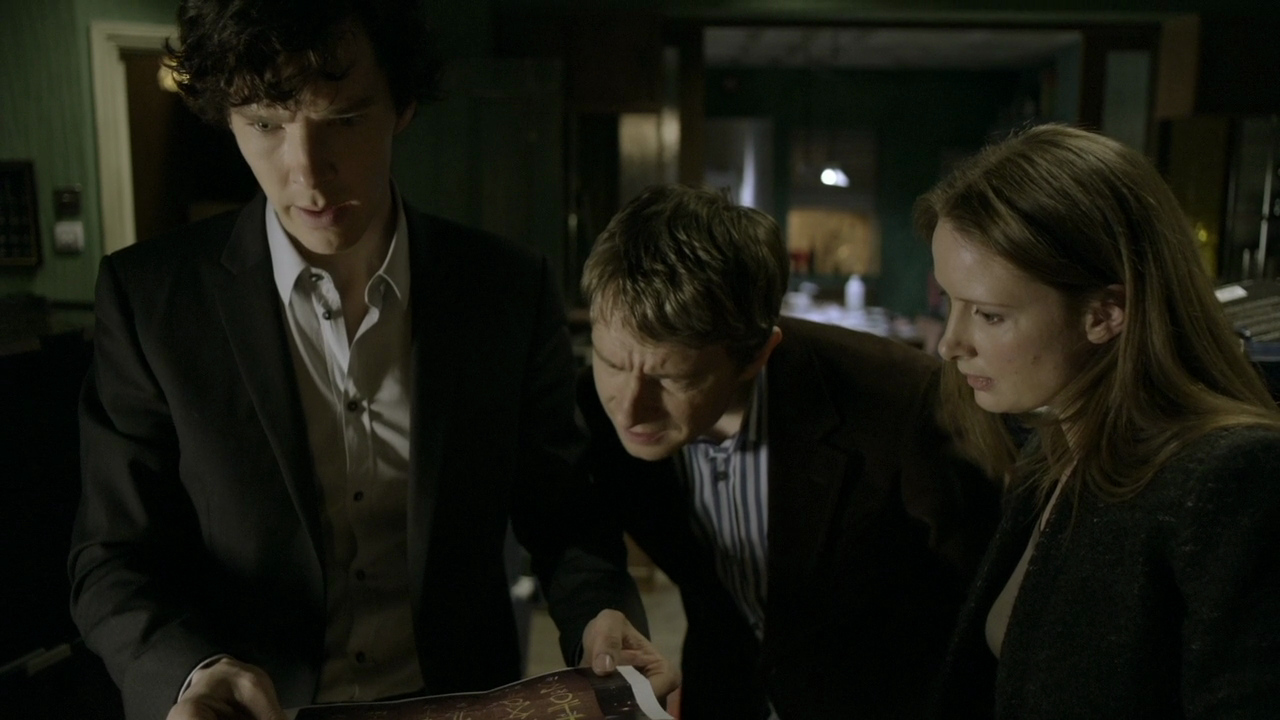
Pointing towards his expected private school and Oxbridge background, Sherlock visits an old university ‘friend’ who now works in a senior banking position. A break-in occurred at the bank, which left an apparently meaningless pair of symbols spray-painted onto a portrait of a banker. Sherlock realises that this was intended for one man, Edward Van Coon of the Hong Kong desk, who has been missing for several days. Upon finding Van Coon dead in an apparent suicide, Sherlock insists that the man was murdered. Soon, journalist Brian Lukis is also killed under similar circumstances inside his locked flat.
With assistance from a National Antiquities Museum pottery expert named Soo Lin Yao (Gemma Chan), Holmes and Watson track down a criminal Chinese gang of ancient-artefact smugglers, known as ‘the Black Lotus Tong’. The duo discovers a book cipher that reveals the location of hidden treasure.
After a nail-biting climax in a travelling Chinese circus, Sherlock saves the kidnapped John and his date Sarah from the Tong. He also reveals the Tong’s treasure to be a priceless jade hairpin belonging to the Chinese royal family, currently being worn by Van Coon’s secretary and mistress Amanda (Olivia Poulet).
Veteran Doctor Who director Euros Lyn provides visual intrigue with his cultured crafting of this oriental-themed tale. Scribe Stephen Thompson has always seemed to be a much more capable writer for Sherlock than he is for it’s sister show Doctor Who. This is only insofar as his three mediocre outings for DoctorWho (The Curse of the Black Spot, Journey to the Centre of the TARDIS and Time Heist) are anything to go by. But on the basis of his three Sherlock contributions, Thompson will always be remembered as a gifted writer with some highly original ideas.
The Great Game
★★★★☆
TX: 8/8/2010
Written by Mark Gatiss Directed by Paul McGuigan
Based on the Original Story: The Adventure of the Bruce-Partington Plans (1908)
The Guardian critic Sam Wollaston aptly described this episode as ‘an edge-of-the seat ride … Conan Doyle for the CSI generation’. This story involves Sherlock solving a series of cases and riddles set by his new nemesis Moriarty. The quintessence of evil has kidnapped a series of random people and strapped explosives to each of them, in order to use them as a voice to communicate with Sherlock. With a very high death count, this is certainly one of the most morbid episodes of the programme to date.
The introduction of Moriarty was executed very cleverly in this episode. Introducing Holmes’ archenemy as Molly’s camp boyfriend Jim from the hospital caught the audience off-guard when he was finally revealed properly during the season’s cliffhanger conclusion. In a trend that seemed to be eclipsed in the show’s second season, the final scene tried its best to be the peak of the first series. However, it initiated an agonising 18-month hiatus until the much-anticipated second season, which Moffat famously described as “a monster” in terms of hype.
<INSERT PHOTO WITH RUPERT GRAVES HERE>
A Scandal in Belgravia
★★★★★
TX: 1/1/2012
Written by Steven Moffat Directed by Paul McGuigan
Based on the Original Story: A Scandal in Bohemia (1891)
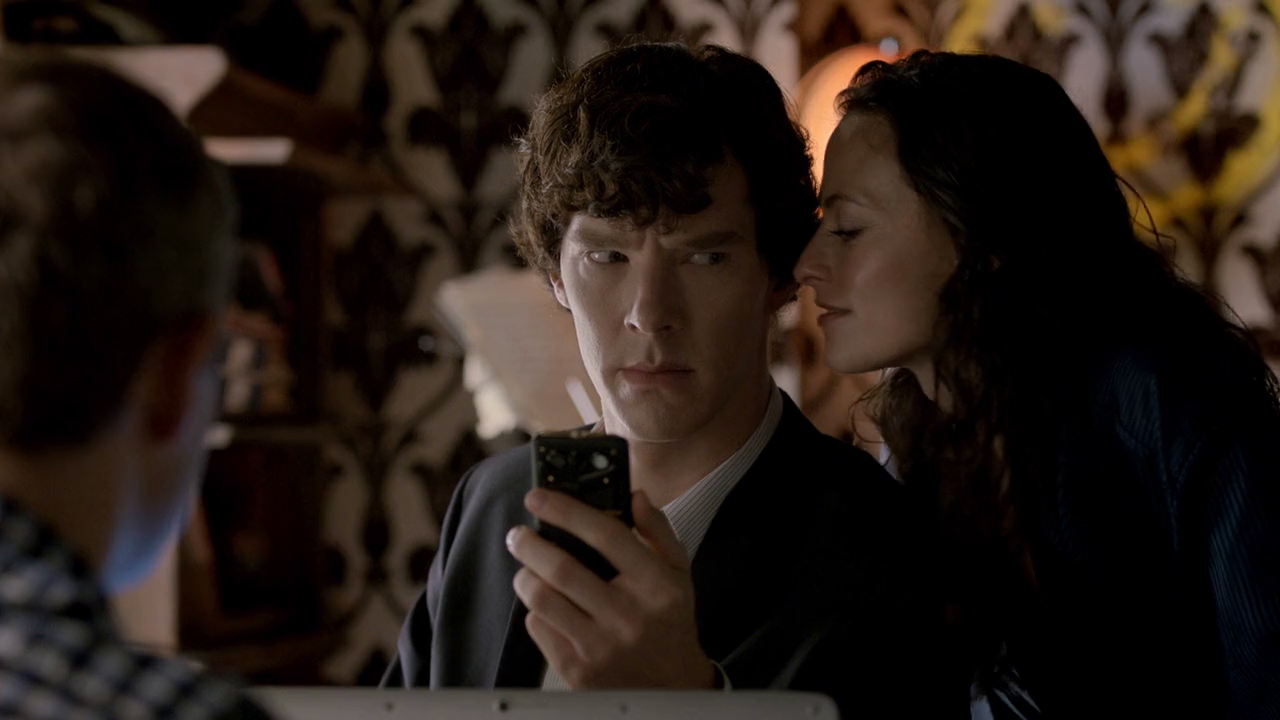
A Scandal in Belgravia will always be one of my favourite episodes of Sherlock, demonstrating as it does the true breadth of story-telling ability that the programme is able to tell. In this tale of espionage and intrigue, the great deducer meets the great seducer as Sherlock falls for the charms of dominatrix and ruthless blackmailer Irene Adler (Lara Pulver) in an episode ‘sizzling with unexpected sexual tension’. A terrorist attack on the United Kingdom is imminent. In order to thwart it, Mycroft has involved Sherlock in a case involving the recovery of some illicit photographs of a member of the Royal Family. Irene Adler becomes intrinsically linked to all of these events, as Sherlock’s investigation deepens. But is she friend or foe?
<INSERT PHOTO WITH LARA PULVER HERE>
As a socio-economic exercise, it is easy to spot Sherlock’s appeal to the so-called ‘metropolitan elite’, with its depiction of fancy London houses and well-educated persons of influence. I think that it is fair to argue that Sherlock, as a television programme, appeals to viewers with high IQs, who often identify with its patronising titular anti-hero. In the future, the programme may be seen as a reflection of the Cameron/Remain era, in much the same way that Love Actually documents the Blair years (in particular, the special relationship between Blair & Bush and the Monica Lewinsky-Clinton scandal). It therefore rarely shocks me when I see that the appeal of the show is frequently lost on those from a working class background, who tend to prefer edgier detective series like Luther. With the privileged Holmes himself played by an Old Harrovian, it isn’t hard to see the reflection of the Ocado-shopping audience through the television screen. James Corden seized upon this when he recently complained about the acting profession being dominated by elite private school-types. However, it is obvious that Sherlock’s quintessential Britishness at its heart forms the basis of its international appeal, particularly in terms of its London setting.
The Hounds of Baskerville
★★★★★
TX: 8/1/2012
Written by Mark Gatiss Directed by Paul McGuigan
Based on the Original Story: The Hound of the Baskervilles (1902)
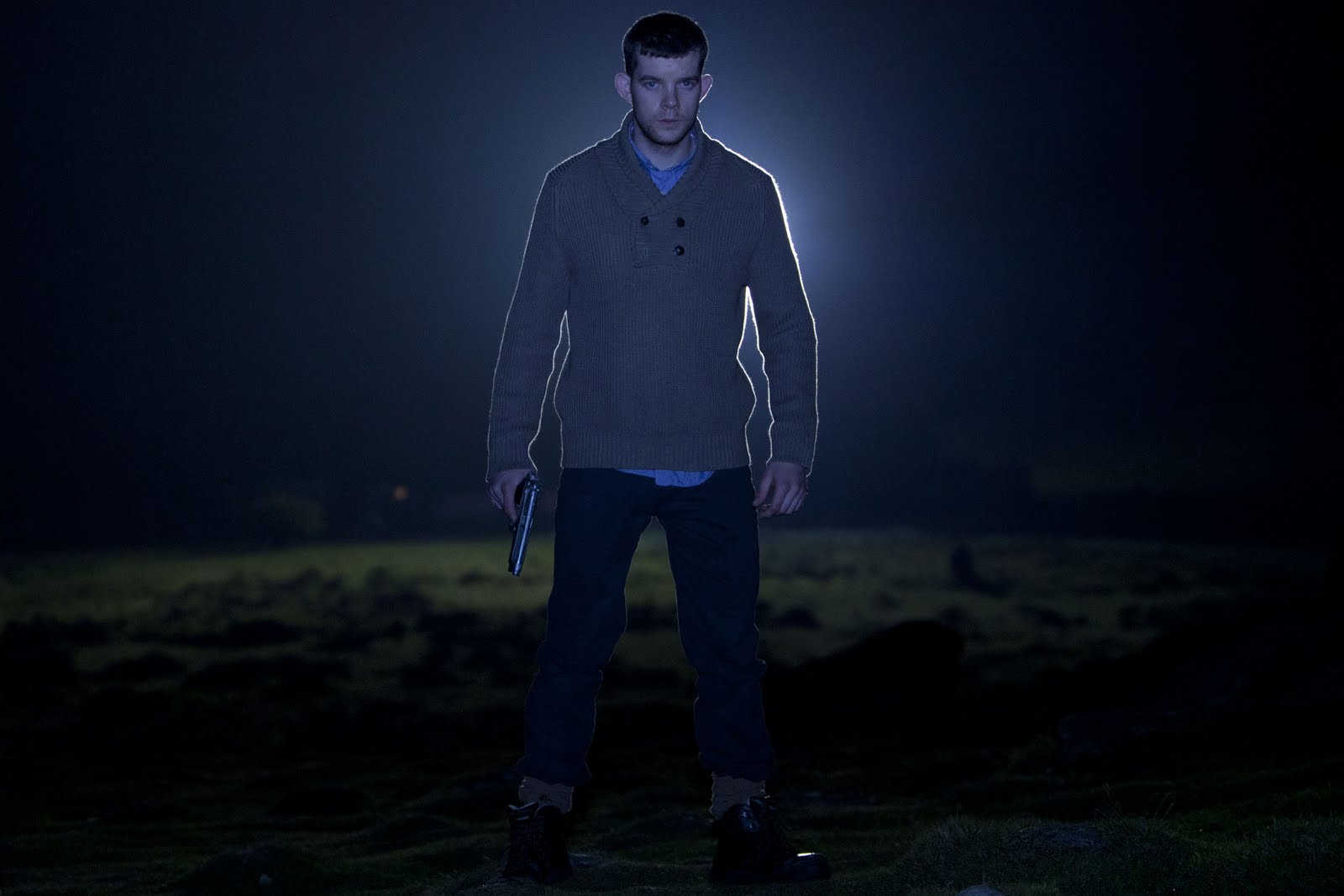
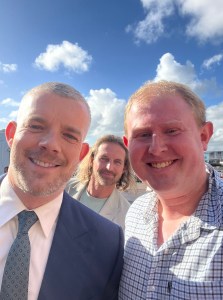
A ‘nicotine-deprived Sherlock’ is desperate for a new case. After harpooning a pig in Central London, Watson realises that Sherlock needs an assignment outside the metropolitan bubble. The pair are paid a visit by Henry Knight (Russell Tovey), a wealthy resident in Dartmoor, who witnessed his father’s death by a “gigantic hound” on the moors some twenty years previously. Intrigued by this unusual situation, Holmes and Watson take up the case and travel to Dartmoor to search for the Hound. What transpires is a series of events that take the Baker Street boys to a Ministry of Defence research facility called Baskerville. Sherlock then takes a turn for the worst when he witnesses what his own eyes cannot deny to be a “gigantic hound”.
One of the problems that I have with this episode is the logic of its conclusion. If Dr Frankland had murdered Henry’s father all those years ago, why then didn’t he just kill his son too, since he knew that he had escaped? Why did Frankland bother to go to the trouble of gassing Henry in the hollow every time he returned there, in order to substantiate the hound story in Henry’s mind? This plot point just seems a bit too convenient when, in reality, Frankland would probably just have polished off Henry so as to remove any further incriminating evidence. In spite of this, Mark Gatiss still manages to bring an exciting new twist to Holmes’ most famous case.
The Reichenbach Fall
★★★★★
TX: 15/1/2012
Written by Stephen Thompson Directed by Toby Haynes
Based on the Original Story: The Final Problem (1893)
As writer Stephen Thompson’s finest outing for Sherlock, The Reichenbach Fall presents us with one of Holmes’ most personal cases to date. In an episode that deals with a post-Murdoch world, Sherlock receives a damning insight into the operation of the media and it how it can turn on any individual at will. Moriarty exploits this point in order to discredit Holmes throughout this dramatic tale.
The dualistic plot plays out to the advantage of Andrew Scott’s maniacal Moriarty, when he arrives to face his archenemy in this 21st Century reworking of Conan Doyle’s The Final Problem (which he only ranked 4th on his personal list of his twelve best Holmes stories). Although ultimately, ‘the feline and frighteningly psychopathic’ Moriarty ends up turning the gun on himself and apparently commits suicide right in front of Holmes. In order to save his friends from a series of deadly assassins, Sherlock must kill himself in order to complete Moriarty’s discrediting of him.
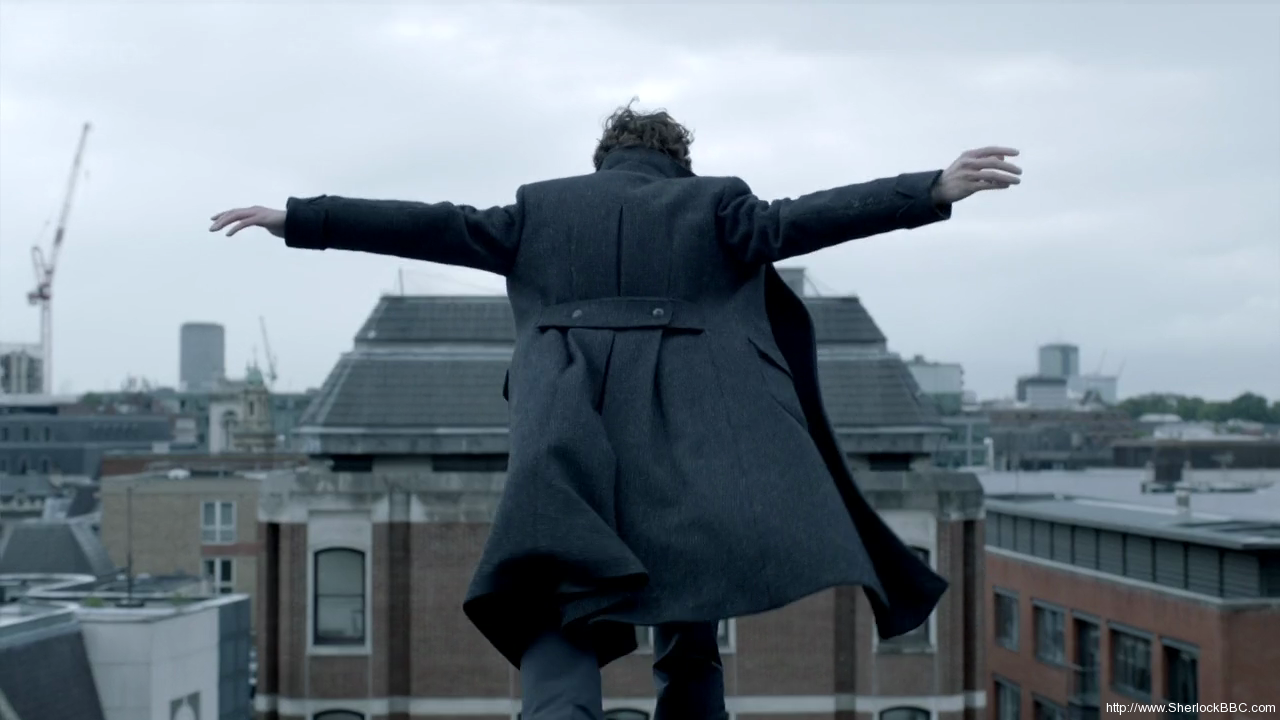
The most iconic part of this installment is, of course, the famous cliffhanger ending, where Sherlock jumps to his apparent death from the roof of St. Bartholomew’s Hospital. This prompted frenzied worldwide speculation as to how Holmes survived his seemingly deadly fall. Never had a television show seen such fan participation as during that two-year hiatus between Series 2 and 3 of Sherlock. It was clear that when the audience next encountered the world-famous detective, expectations of how he escaped his demise would be stratospherically high.
<INSERT PHOTO WITH ANDREW SCOTT HERE>
The Empty Hearse
★★★★☆
TX: 1/1/2014
Written by Mark Gatiss Directed by Jeremy Lovering
Based on the Original Story: The Adventure of the Empty House (1903)
Aside from a brief minisode entitled Many Happy Returns, made available online on Christmas Eve 2013, we had to wait almost exactly two years for the return of the now near-biblically famous detective. After delivering what seemed to be the biggest cliffhanger in the history of television, it seemed impossible – if not foolish – to attempt to live up to the expectations of fans, when explaining how Sherlock survived his fall. This is probably why Gatiss’ plot skirts round trying to offer genuine explanations for as long as possible, teasing the viewer with ‘what-if’ scenarios until you are left with nothing more than genuine frustration. Even Anderson remarks that he is “disappointed” and that Sherlock’s actual solution was “not the way [he] would have done it”. As if to acknowledge these inevitable criticisms from the audience, Gatiss even throws in a line for Sherlock where he states that “everyone’s a critic”. If only that were true.
Sadly, it seems that after this point, Sherlock entered a miasma of self-indulgence and vague, season-long narrative arcs. The quality of the series declined after this episode. Almost as if their success had got the better of them, Gatiss and Moffat started to make Sherlock more about the programme itself and its fans rather than about the fantastic canon of Conan Doyle short stories from which the series originated. Regrettably, it has now become the mainstay of these two, once-great writers to be sycophantic towards their global audience, even incorporating avatars of their followers into the narrative (i.e. Anderson and his network of ‘Sherlock fans’). The fan ownership of the show therefore became a bit too top heavy at this point and the ‘SuperWhoLock’ Tumblr fangirls took over as their influence became more apparent. Ironically, this was the opposite of what was happening to Doctor Who at the time, with the arrival of Peter Capaldi as the oldest Doctor.
One aspect that this episode did explore well was John’s reaction to Sherlock’s return. With the aid of his real-life partner and co-star Amanda Abbington, Martin Freeman injected a very human performance into Watson, which played well against Cumberbatch’s less user-friendly persona as Holmes. From the fight scene in the restaurant to Sherlock’s repeated attempts to get John to forgive him for his deception, these narrative points played out humorously, although they did make the case itself feel subsidiary.
The plot about a terrorist cell using a London Underground train carriage filled with enough explosives to blow up Parliament does appear to have been pinched from V for Vendetta. However, a certain amount of artistic license should, at least, be accorded to a writer of Mark Gatiss’ caliber. I often find it hard to rewatch this episode, as it just seems to deal with Sherlock’s return above everything else. The case itself is nothing more than forgettable and it seems a shame that the return of the programme seems to supersede the overall narrative itself. Conan Doyle became wary of his detective’s fame and attempted to kill him off. However, the public outcry was so severe that Doyle was forced to resurrect Holmes for further adventures. I wonder if behind the scenes, Moffat and Gatiss were starting to feel the same level of apprehension about their creation by this point.
<INSERT PHOTO WITH AMANDA ABBINGTON HERE>
The Sign of Three
★★★☆☆
TX: 5/1/2014
Written by Steven Moffat, Mark Gatiss & Stephen Thompson
Directed by Colm McCarthy
Based on the Original Story: The Sign of the Four (1890)
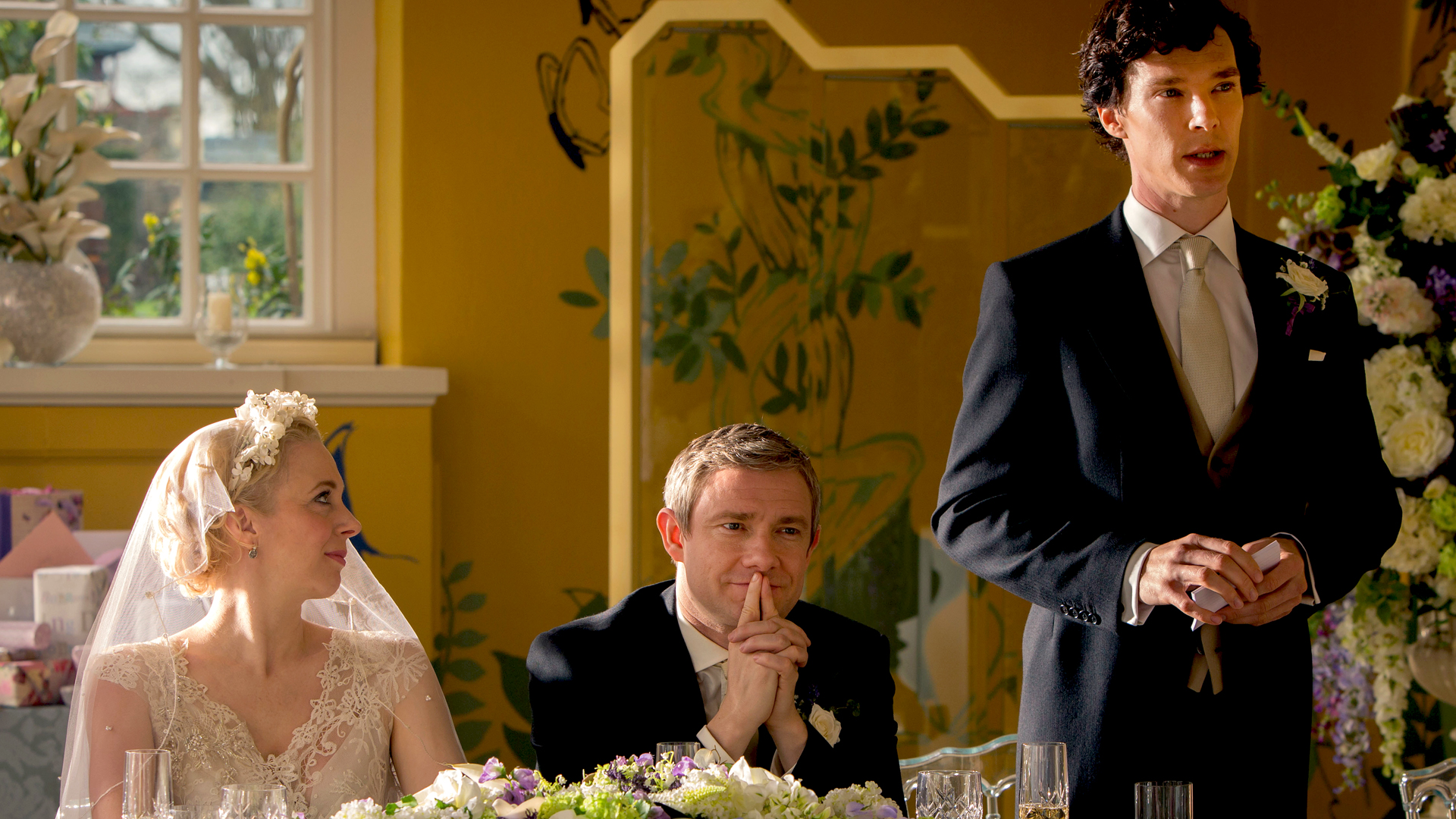
In his capacity as the Best Man at John and Mary Watson’s wedding, Sherlock waxes lyrical about a recent case that has particularly perplexed him: The Bloody Guardsman. Intrigued by the testimony of a Private Bainbridge, Holmes and Watson investigate the Queen’s Palace Guard. It was here that I also enjoyed the subtle reference to the U.N.I.T. character of Sergeant Benton from Doctor Who, when regarding his retirement from the army, Watson is told that “he could be a used-car salesman now, for all [Bainbridge’s commander knows].” Having discovered Bainbridge dead, Holmes deduces that his killer is also in attendance at the wedding. The elusive ‘Mayfly Man’ has also targeted an old army friend that served with John, named Major Sholto. Killed slowly with a lethal blade-impaling uniform belt, Major Sholto was almost revenge-murdered by the ‘Mayfly Man’ (exposed as the wedding photographer), had it not been for the timely intervention by Sherlock, John and Mary.
Having already proved himself to be a highly capable director with the Doctor Who episode The Bells of Saint John, Colm McCarthy steps up to the mantle of directorship duties with superb zeal and energy injected into a challenging script. The hedonistic, soap-like nature of this episode was initially hard for me to stomach. However, this story is thankfully tailored for repeat viewings, as is the case with most of Steven Moffat’s work. For many, their personal highlight will always be John’s stag-do: a scene so hilarious in it’s immature debauchery, it comically puts one in mind of a drunken fresher trying to prove themselves to a condescending audience of final-year students.
His Last Vow
★★★★☆
TX: 12/1/2014
Written by Steven Moffat Directed by Nick Hurran
Based on the Original Stories: His Last Bow (1917), The Adventure of Charles Augustus Milverton (1904)
Fresh from his success with the exemplary 50th Anniversary Special of Doctor Who, The Day of the Doctor, director Nick Hurran manages to bring another Moffat script to the small screen with equal accomplishment. One of Moffat’s finest screenplays yet, His Last Vow deals with some very dark themes that push Sherlock to new limits. It also showcases the fantastic acting talents of Amanda Abbington and Martin Freeman, who are both seminal in their moving portrayals of the troubled couple of Mary and John Watson.
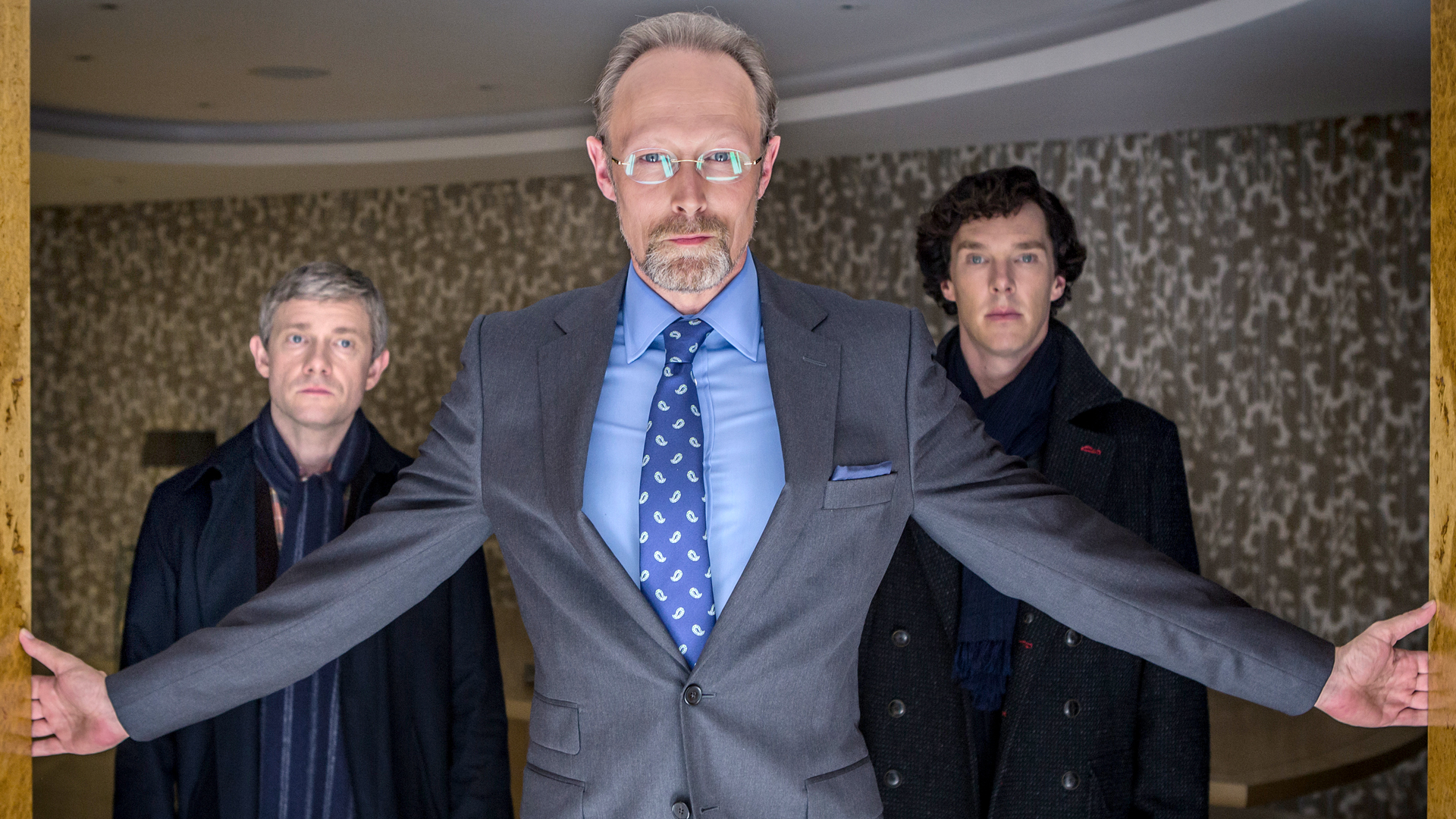
In the opening scene, the line: “Do you think it right that a newspaper proprietor, a private individual and, in fact, a foreign national should have such regular access to our Prime Minister?” positively reeks of Rupert Murdoch. The despicable Charles Augustus Magnussen is a clear allegory for the Australian media mogul that was responsible for the News of the World phone hacking scandal of 2011. Lars Mikkelsen chillingly brings the Machiavellian character of Charles Augustus Milverton (as he was originally called) to life. However, the portrayal was not to everybody’s liking. In an article for the Daily Mail, Tom Kelly claimed that the episode was symptomatic of the BBC’s “left-wing bias”, arguing that Magnussen was portrayed as a capitalist, foreign-born newspaper baron, “with resemblances to Rupert Murdoch”. However, media commentator Roy Greenslade contextualised this criticism by suggesting the BBC, rather than Sherlock, is the Daily Mail’s “real enemy”.
With hindsight, I now realise that the introduction of Mary Watson signalled the beginning of the end for top-quality Sherlock. This episode introduces a season-spanning thread of narratives about Mary having been a secret, mercenary assassin in a previous life. Magnussen threatens to expose this information in order to blackmail Sherlock and John into silence about his own activities. In a highly uncharacteristic moment of aggression, Holmes shoots Magnussen in the head, thereby burying Mary’s past with him. Sherlock is sent into political exile, but is almost immediately brought back when a familiar foe steps out of the shadows…
All in all, Series 3 might not have been the all-conquering force that Series 2 was. But, it still provided another three highly enjoyable outings for Sherlock Holmes.
The Abominable Bride
★★☆☆☆
TX: 1/1/2016
Written by Steven Moffat and Mark Gatiss Directed by Douglas Mackinnon
Based on the Original Story: The Adventure of the Musgrave Ritual (1893)
Last year, my overall autopsy of the aptly named The Abominable Bride concluded that it was overly convoluted and self-indulgent (see Series 3). I strongly disliked this one-off special, as it was odiously self-referential and smugly meta-textual. It was entirely tailored to move the overall story in the present along only by a fraction, so as to marginally explore the iconic Victorian setting.
Steven Moffat has created many strong roles for women in his writing for both Doctor Who and Sherlock. Additionally, stopping the action repeatedly to travel back and forth through time, between 1895 in Sherlock’s mind palace and the present, only further marred the enjoyment of the audience. It certainly proved to be the case for me. If you are going to do a period-set piece for one of the most famous settings in the history of fiction, then do it properly by sticking to the setting. Don’t just bob along the timeline; leave that to Doctor Who, Moffat. And if you do, don’t just plagiarise from another BBC One classic like Life on Mars.
I will concede that the Victorian setting was used well in some areas (i.e. the dialogue) – a welcome return for fans like myself of the original serialised Strand Magazine publications of The Adventures of Sherlock Holmes by Sir Arthur Conan Doyle. However, a weak script here by Steven Moffat and Mark Gatiss, so bereft of original ideas, let down the unceasingly marvellous performances of its remarkable cast; in particular, the once again stellar Benedict Cumberbatch and Martin Freeman. Even the fantasist Doyle would not have approved.
Also, if Sherlock’s mind palace manifested Molly as a Victorian woman disguised as a man with a moustache (as part of the suffragette cult’s plan), how long will it be until the JohnLock obsessives start to use this as ‘evidence’ of Sherlock being gay? As Holmes would say, this episode was far more than a “trifle lurid”.
The Six Thatchers
★★★☆☆
TX: 1/1/2017
Written by Mark Gatiss Directed by Rachel Talalay
Based on the Original Story: The Adventure of the Six Napoleons (1904)
With some breathtaking direction by acclaimed Doctor Who director Rachel Talalay, The Six Thatchers proves itself to be a solid first instalment of the fourth and final series of Sherlock. A sub-plot involving a millionaire Tory MP’s dead son in a car parked in front of their stately home forms the hookline into the real mystery. Someone is destroying busts of the late, former Prime Minister Margaret Thatcher. Also, what is with Gatiss’ obsession with Mrs T? He’s already mentioned the first female British PM in his episode The Hounds of Baskerville, when Sherlock is trying to crack into Major Barrymore’s private server. Holmes clearly loathes Mrs Thatcher, muttering under his breath ‘By the pricking of my thumbs,’ leaving the enlightened viewer to fill in the rest ‘…Something wicked this way comes.’ It almost seems uncharacteristic to impose this mentality on the previously solipsistic and apolitical Holmes, but then surprise is the one thing that you come to expect from Gatiss and Moffat by this stage. Although Sherlock himself pretends to not be part of any establishment, his privileged background suggests otherwise. It almost seems hypocritical to make this type of jibe so regularly against the metropolitan upper classes.
The Six Thatchers offers yet more disappointing proof that Sherlock has become mired in perpetual self-indulgence, implausible brilliance and continual grappling to tie up season-spanning arcs. This has even led to the writers ‘sexing-up’ scenarios (presumably at the behest of the BBC) with a random subplot involving John having an affair with a Scottish girl he met at a bus stop, a situation so clichéd it barely merits writing. This culminates in a melodramatic conclusion where Lady Smallwood’s secretary, Vivian Norbury, revealed to be the villain of the piece, shoots Mary in the chest. In a moment that we have all seen a million times before, Mary professes her pride to John for being “Mrs Watson”. This scuppered what could have been a moving end for someone who is, admittedly, an unpopular character.
Whilst ignoring the stories that could have put him in traction.
The Solitary Cyclist sees boxing on show,
The Gloria Scott and The Sign of the Fo’
The Empty House too sees a mention, in time, of Mathews,
Who knocked out poor Sherlock’s canine.
As for arts martial, there’s surely a clue
In the misspelled wrestle Doyle called baritsu.
In hurling Moriarty over the torrent
Did Sherlock find violence strange and abhorrent?
In shooting down pygmies and Hounds from hell
Did Sherlock on Victorian niceties dwell?
When Gruner’s men got him was Holmes quite compliant
Or did he give good account for The Illustrious Client?
There’s no need to invoke in yarns that still thrill,
Her Majesty’s Secret Servant with licence to kill
From Rathbone through Brett to Cumberbatch dandy
With his fists Mr Holmes has always been handy.’
I can’t argue with that level of eloquence.
<INSERT PHOTO WITH LINDSAY DUNCAN HERE>
The Lying Detective
★★★☆☆
TX: 8/1/2017
Written by Steven Moffat Directed by Nick Hurran
Based on the Original Story: The Adventure of the Dying Detective (1913)
The cinematography and editing in Sherlock is a factor that has made it strongly standout from other primetime shows. On this occasion, Nick Hurran, who has previously helmed exemplary episodes of both Doctor Who and Sherlock, surpasses himself with some masterful direction. The scene in which Sherlock wanders through the streets, only to be yelled at by a taxi driver then realise that he is actually back in Baker Street was truly inspired.
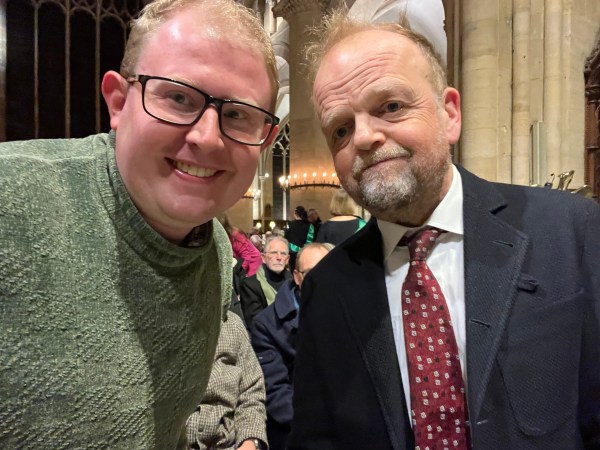
Toby Jones completely stole this episode with his chilling performance as Holmes’ latest (‘all-time most evil!’) adversary, the slimy millionaire entrepreneur and serial killer Culverton Smith. Disturbing parallels can be drawn between Smith and the late, disgraced broadcaster Sir Jimmy Savile. From his Northern accent, bad teeth and philanthropist-status, to his claim that he “sort of owns part of the hospital”, all of Smith’s characteristics brought back nightmarish memories of evidence unearthed about Savile by Operation Yewtree. The line which Smith delivers to the floor runner on the advert film set that she can “make more [money]… any time [she likes]” immediately sent shivers down my spine, as I instantly recognised the insidious reference. Moffat perfectly captures the ‘untouchable’ status of the celebrity Jimmy Savile in his conception of the wealthy Culverton Smith. Writing in The Guardian, Sam Wolfson noted that the inclusion of an allegory for Savile “in their flagship drama series” must have ruffled a few feathers at the BBC. The episode even explicitly states that Smith is given keys to the hospital in a “ceremony”, which the Home Secretary attended. Could this be referencing former Health Secretary Edwina Currie, who oversaw Savile’s access to Broadmoor Hospital during the 1980s?
The shocking cliffhanger twist at the denouement of this episode (that Sherlock and Mycroft have a secret sister called Eurus, masquerading as Culverton Smith’s daughter and both Watson’s admirer and therapist) was certainly an unexpected one, I grant you. Ever since Mycroft first uttered the line “you remember what happened to the other one” in His Last Vow, fans have been dying to see the payoff from this throwaway reference to a third Holmes sibling. Eurus proceeds to shoot John at point-blank range, which is sure to be disappointingly resolved next week, as per Sherlock tradition. Ultimately, The Lying Detective is a dark episode with some great moments. However, much of the characterisation of the main cast falls flat, particularly Mrs. Hudson, who is given an uncharacteristically large role within the story. Following on from the devastating loss of Mary in the previous installment, this could have provided an ideal opportunity for a real character-piece. Sadly, at most turns, The Lying Detective narrowly misses out on delivering this.
The Final Problem
★★★★☆
TX: 15/1/2017
Written by Steven Moffat and Mark Gatiss Directed by Benjamin Caron
It took me a while to gather my thoughts after seeing this last-ever instalment, as I was so completely stunned by how excellent it was. This was partly due to seeing this final episode on the big screen at my local theatre, which really helped to convey the cinematic feel of the programme. Benjamin Caron has enjoyed equal success with Netflix’s ambitious historical series The Crown. But it is this, his Sherlock debut, where he most distinctly displays his directing prowess, thanks to a stellar script from Moffat and Gatiss.
Based on none of Conan Doyle’s original canon in all-but title, The Final Problem tells the story of Eurus, Sherlock and Mycroft’s long-lost psychopathic sister. Incarcerated by Mycroft on an island prison called Sherringford, the genius Eurus has festered in her insanity and plotted her escape. In an elaborate plan stretching back to a visit from Moriarty to the island five years previously, Eurus destroys 221B Baker Street and lures Sherlock, John and Mycroft to Sherringford. After taking control of the facility, Eurus subjects the three to a series of blood-soaked mind games, almost too ghastly for the human mind to cope with (see: SawLock, it’ll be trending by now). Eurus brutally murders many of her captors, with Sherlock unable to save them. Eurus almost blows up Molly, immediately after the lab assistant confesses her love for Sherlock. She even tries to manipulate Sherlock into murdering Mycroft. When Sherlock refuses and pulls the gun on himself, Eurus tranquilises the three of them.
When Sherlock awakes, he finds himself at the charred remains of his childhood home. Whilst trying to rescue John from drowning in a well, Eurus confesses that she also murdered Sherlock’s childhood friend Victor by drowning him in the very same well. Sherlock couldn’t bear to face the truth, so his memory cheated him into believing that it was his beloved dog Redbeard that had gone missing instead. Sherlock forgives his deranged sister and the authorities take her back to Sherringford. The Holmes family agrees to visit Eurus for violin recitals from her and Sherlock. This was all a lot to take in and it was certainly the darkest and the most emotional episode since The Reichenbach Fall. In spite of their traumatic ordeal, Holmes and Watson returned to a reconstructed Baker Street, to continue solving cases together for the rest of their lives.
As the final chapter in what has been a truly extraordinary journey, The Final Problem more than delivered, and it is a fitting addition to the pantheon of the very best episodes of Sherlock. It makes me sad to write these words. Saying goodbye to a favourite book series, film or television show is almost like parting with a lover. But with an open-ended final sequence, who knows? Perhaps in a decade’s time, we may see a fifth season from Sherlock… oh, and maybe a second season of Firefly.
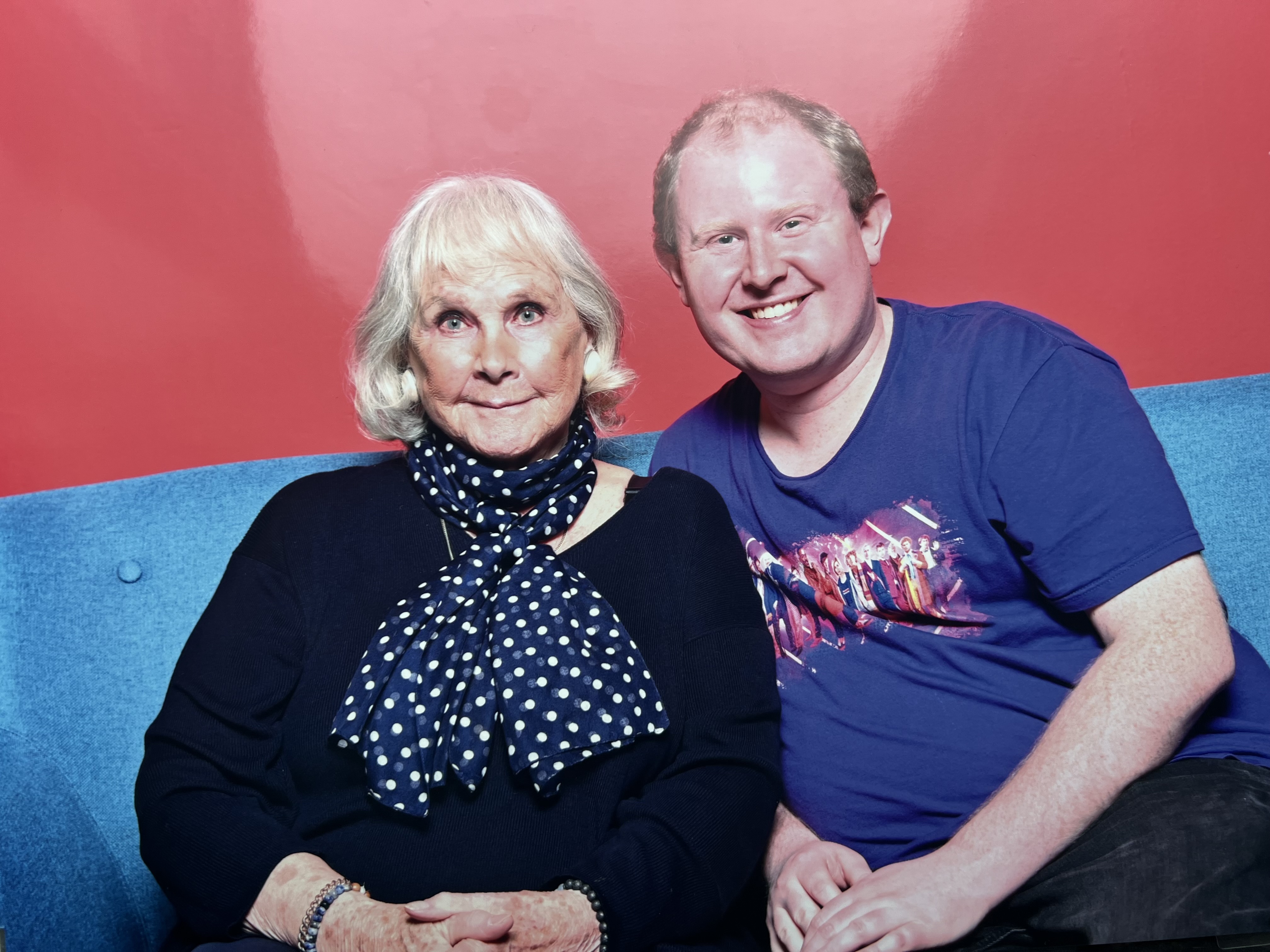
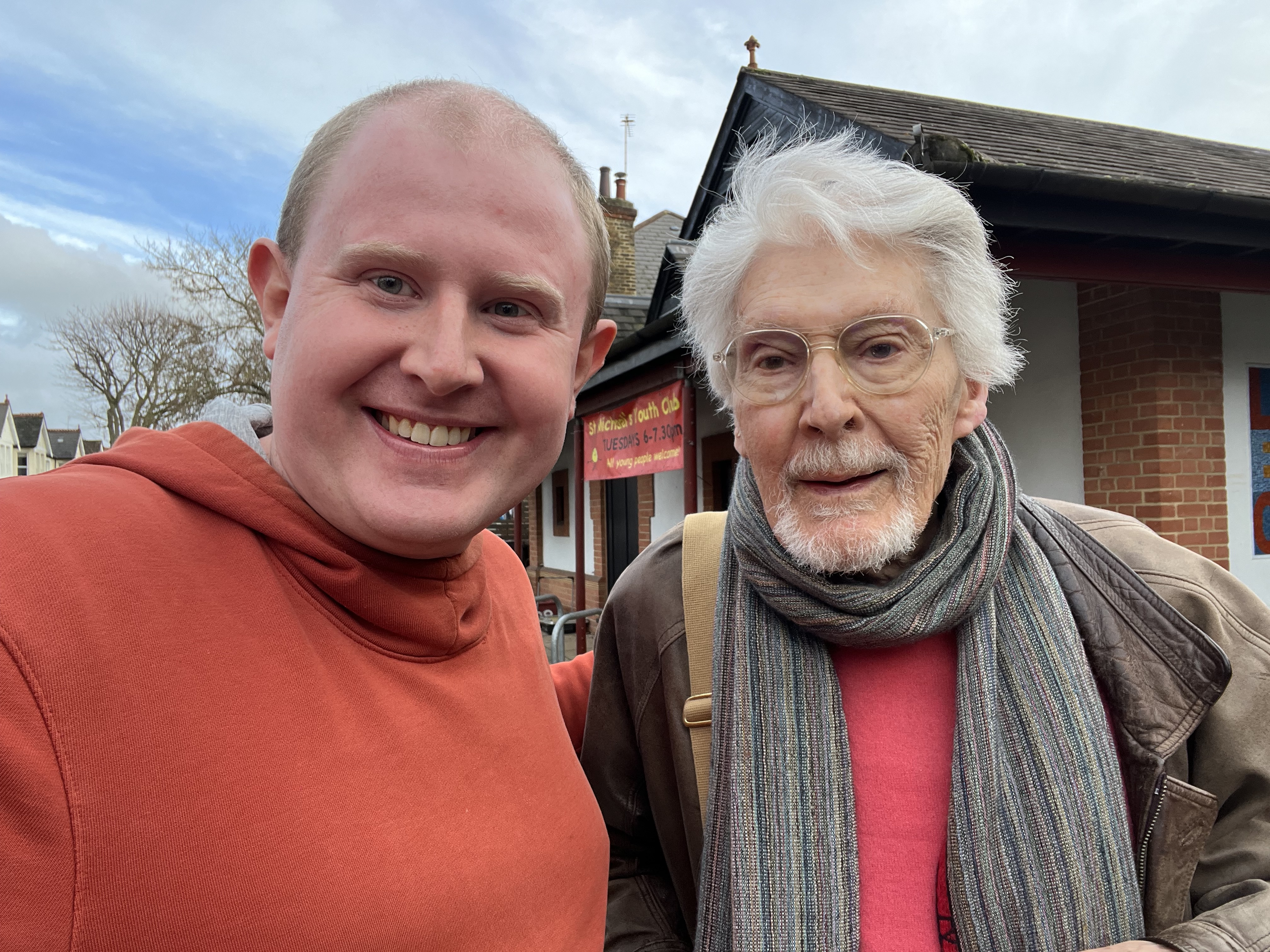
Many thanks to Benedict Cumberbatch, Martin Freeman, Amanda Abbington, Una Stubbs (who I sadly never met), Rupert Graves, Louise Brealey, Andrew Scott, Lara Pulver, Vinette Robinson, Jonathan Aris, Lindsay Duncan, Wanda Ventham, Timothy Carlton, Stephen Thompson… and above all, huge thanks to both Steven Moffat and Mark Gatiss. Thank you all for being part of one of the greatest television series of all-time. It was fun while it lasted Sherlock.
I am an aspiring television producer, screenwriter and one day I want to be the Doctor Who showrunner. I became a childhood fan of the popular BBC TV series Doctor Who at the age of 10, when my parents introduced me to the show upon its return in 2005. I am interested in all things sci-fi, fantasy and geeky, but Doctor Who takes the crown above all else. This website will detail my reviews of various episodes of Doctor Who from throughout its 60-year history. It will also contain content relating to other franchises that I grew up with as a kid, such as Star Wars and Harry Potter.




















 Chris Olsen's TARDIS
nice post, keep it up
LikeLiked by 1 person
Pingback: The Temple of Peace – A Sci Fi Fan’s Dream | Chris Olsen Reviews
Pingback: A SciFi Fan's Dream! The Temple of Peace, Dr Who and - Welsh Centre for International Affairs